
Article categories “ARCHITECTURE”
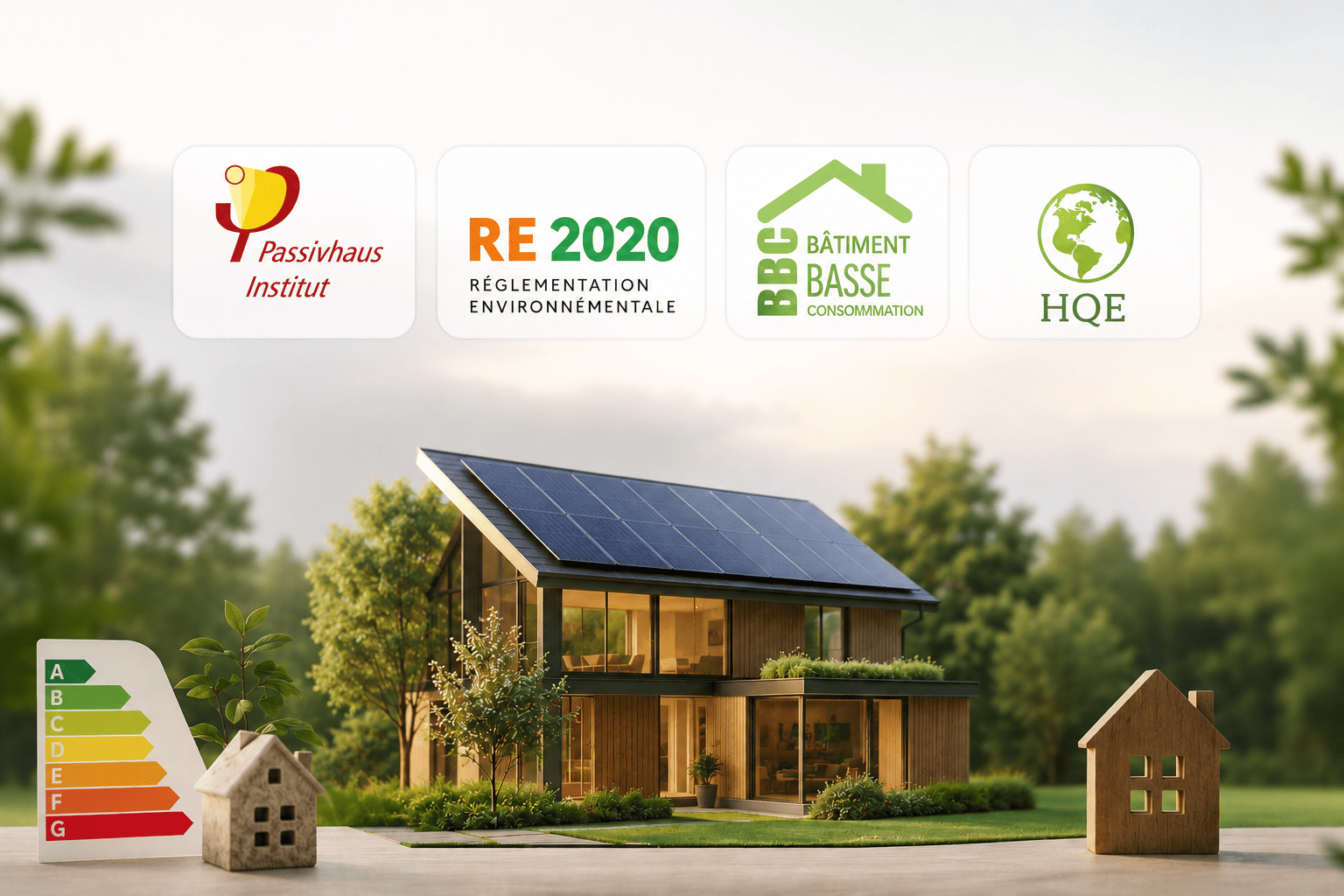
The French sustainable real estate market is multiplying labels, certifications, and standards to the point where it can sometimes be difficult to navigate. What are the differences between a BBC certified house and a Passivhaus house? Is the RE 2020 a mandatory certification or standard? Does HQE guarantee specific performances? This guide provides an overview of the main current references in 2026, their respective requirements, and their relevance according to the type of project.
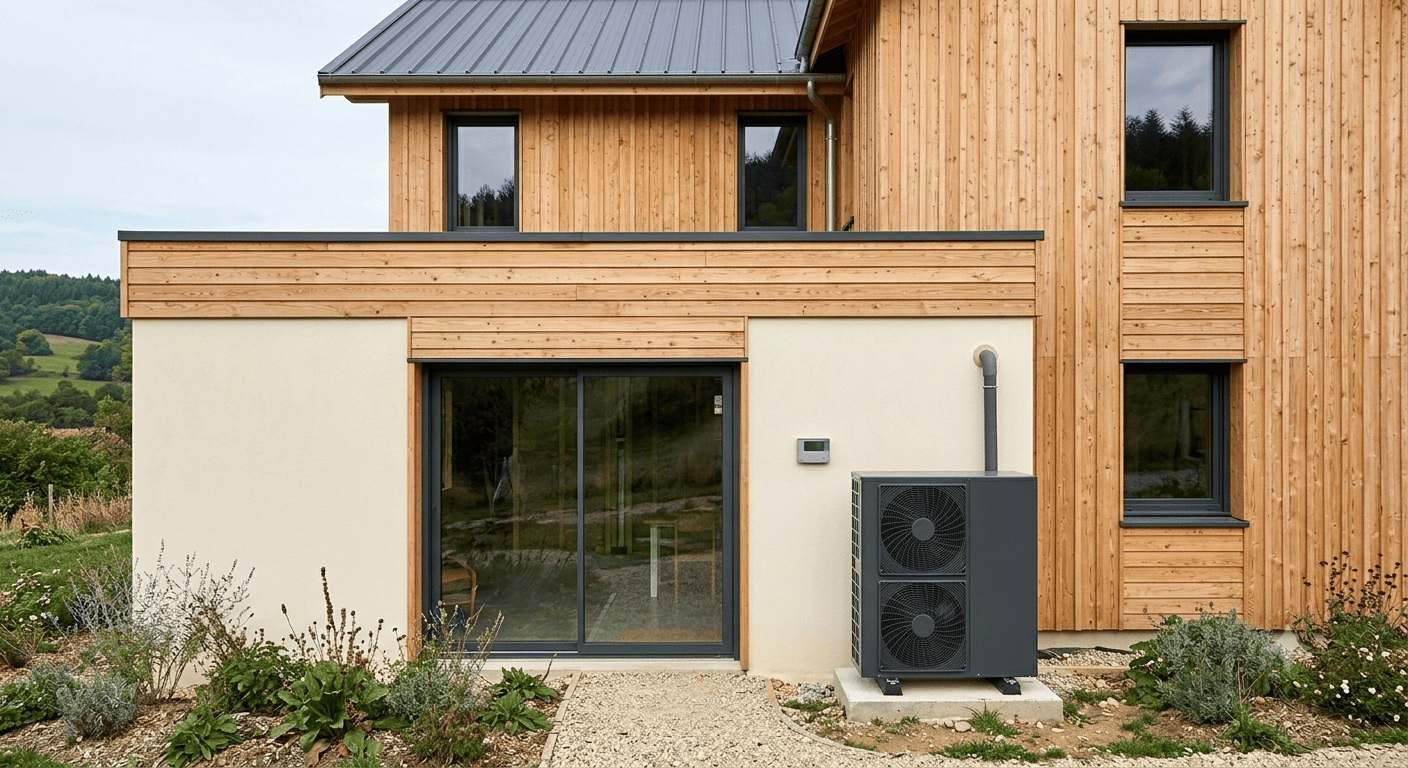
Heating represents more than half of the energy consumption of an average French household. It is also the area where technical choices have the most impact, both on the carbon footprint of the property, on annual bills, and on the asset value of the property. With the gradual ban on oil boilers since 2022 and the limitation of gas installations in new buildings imposed by RE 2020, the French residential heating market is undergoing significant changes. Here are the main eco-friendly solutions available in 2026, their technical specificities, and their areas of application.
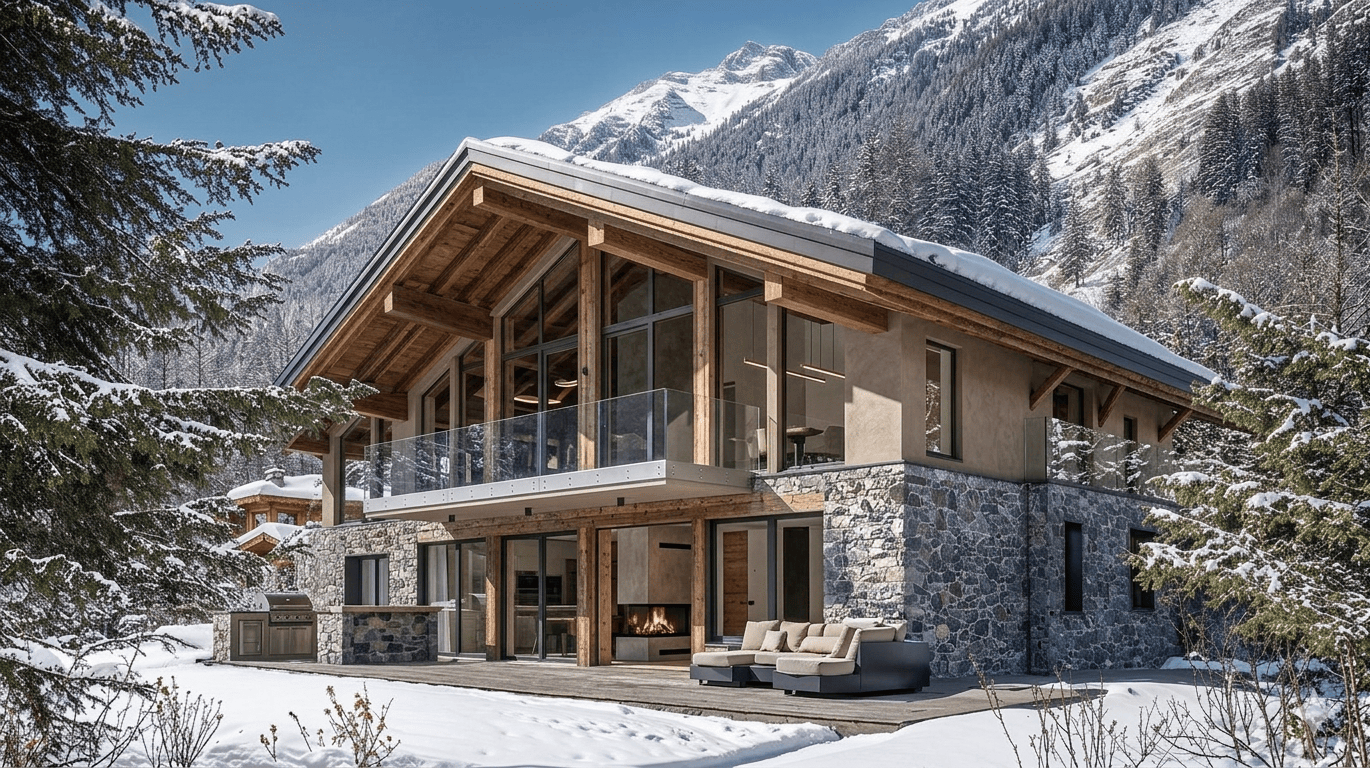
The Alpine region is home to several hundred thousand chalets built between the 1960s and 1990s, a period of ski resort expansion and the development of second homes in the mountains. Much of this housing stock is now at a turning point: poor energy performance, outdated insulation standards, heating often fueled by oil or gas, and tightening regulatory deadlines. The energy renovation of an old chalet represents both a heritage challenge, an investment opportunity, and a specific technical challenge. Here's what you need to know before diving in.
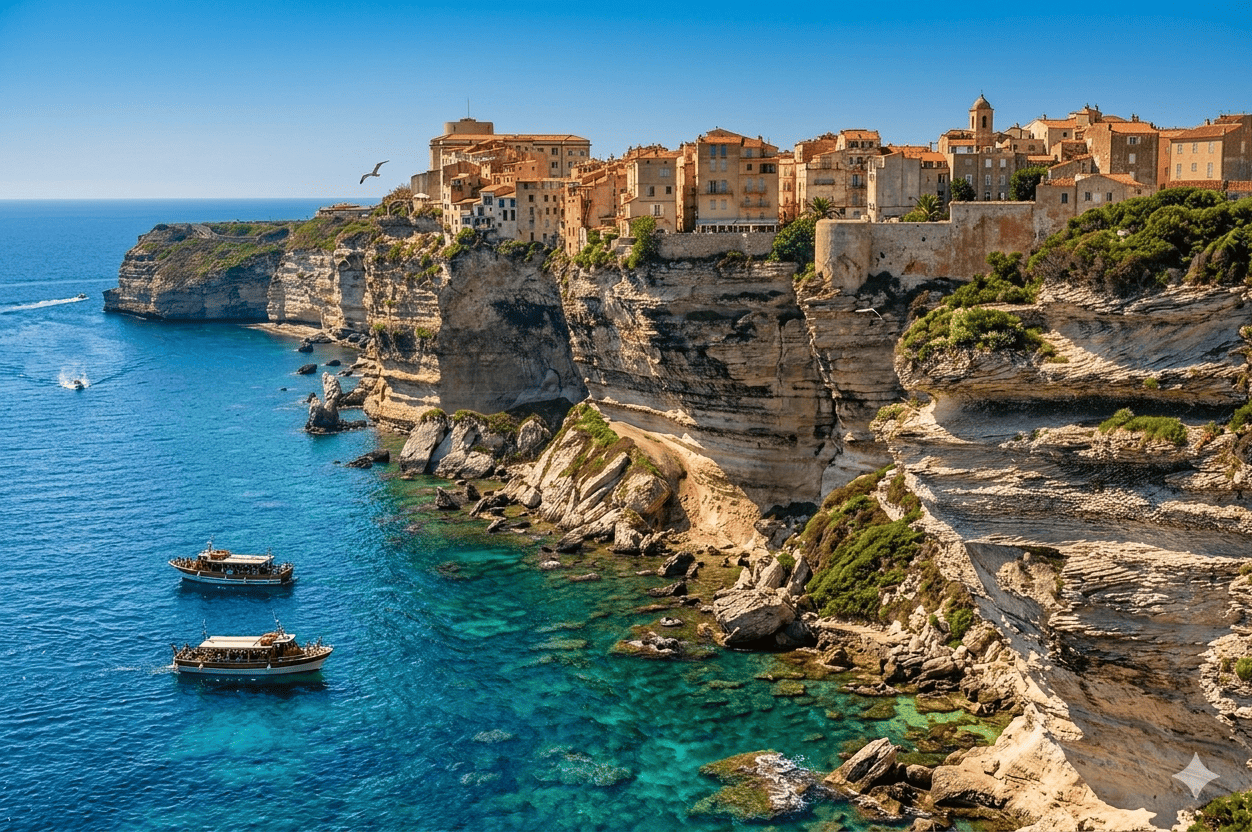
Buying or building a sustainable property in Corsica is not quite the same as on the mainland. Insularity, specific resources, particularly strict urban planning regulations, rigorous Mediterranean climate: these factors cumulate and require a good understanding of the context before embarking on a real estate project on the island. Here's what you need to know in 2026, whether you are a buyer of an existing property or a developer with a construction project.
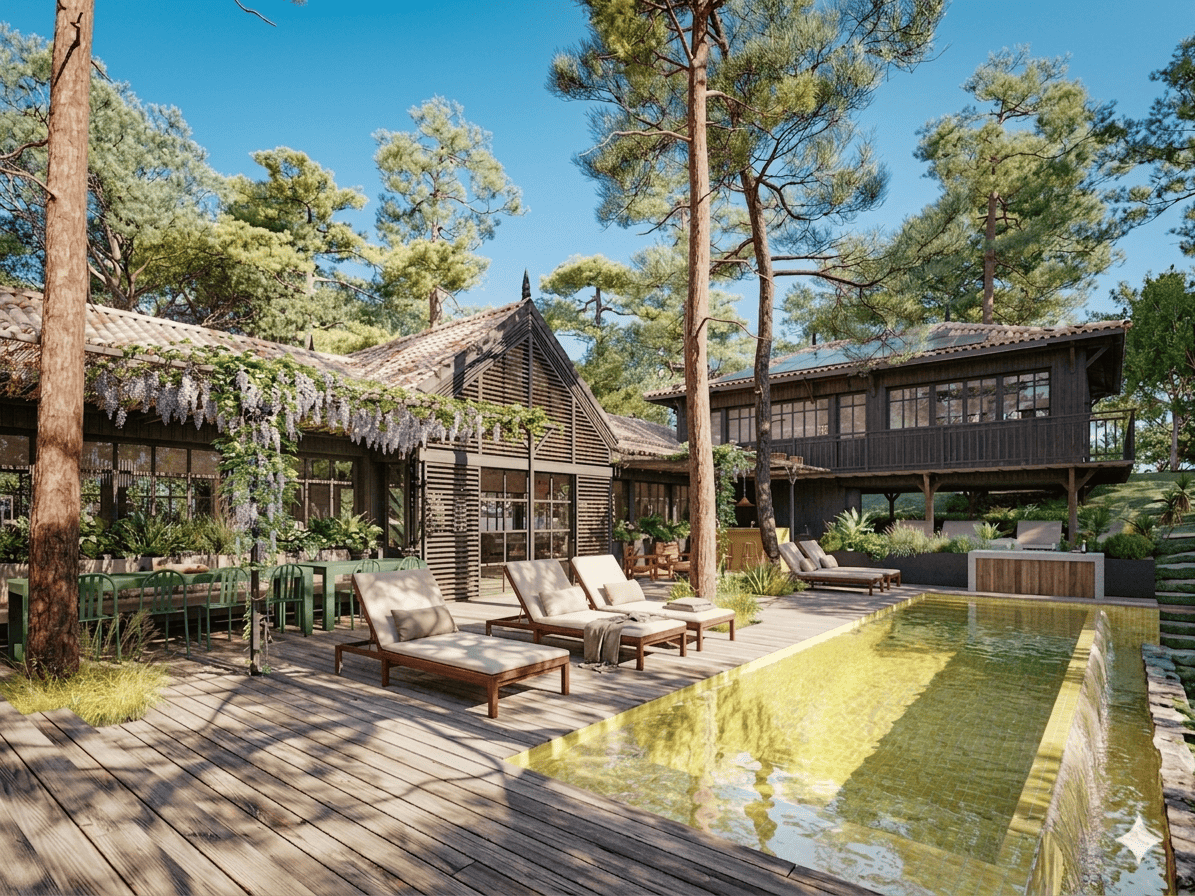
The Arcachon Basin has become one of the most active French territories in residential bioclimatic construction in recent years. With a temperate oceanic climate, a landscape of maritime pines conducive to architectural integration, an environmentally conscious CSP+ clientele, and strong urban planning constraints that emphasize quality, all the ingredients are combined to create a remarkable bioclimatic architectural scene. Here is a 2026 overview of the market, city by city and criterion by criterion.
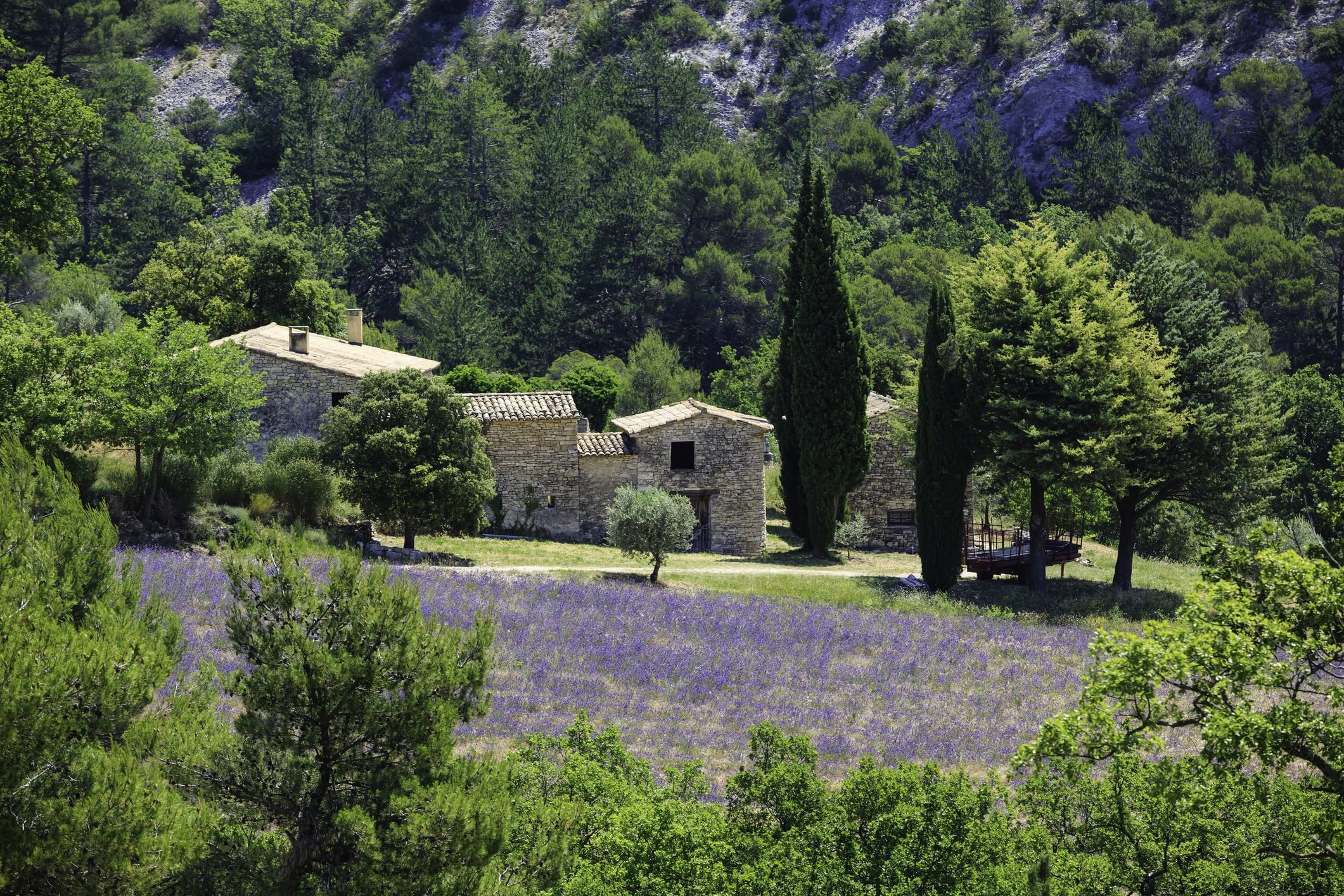
Before the term even existed, Provence was already building them. Local builders did not wait for contemporary science to orient their houses to the south, thicken their stone walls, shade their terraces, and use the Mistral wind for ventilation. What research now validates as bioclimatism, the region has been practicing for centuries through simple climate observation. A new generation of local architects and builders is reinterpreting this vocabulary with current techniques, and the Provencal market is now organized around properties that deserve close examination.
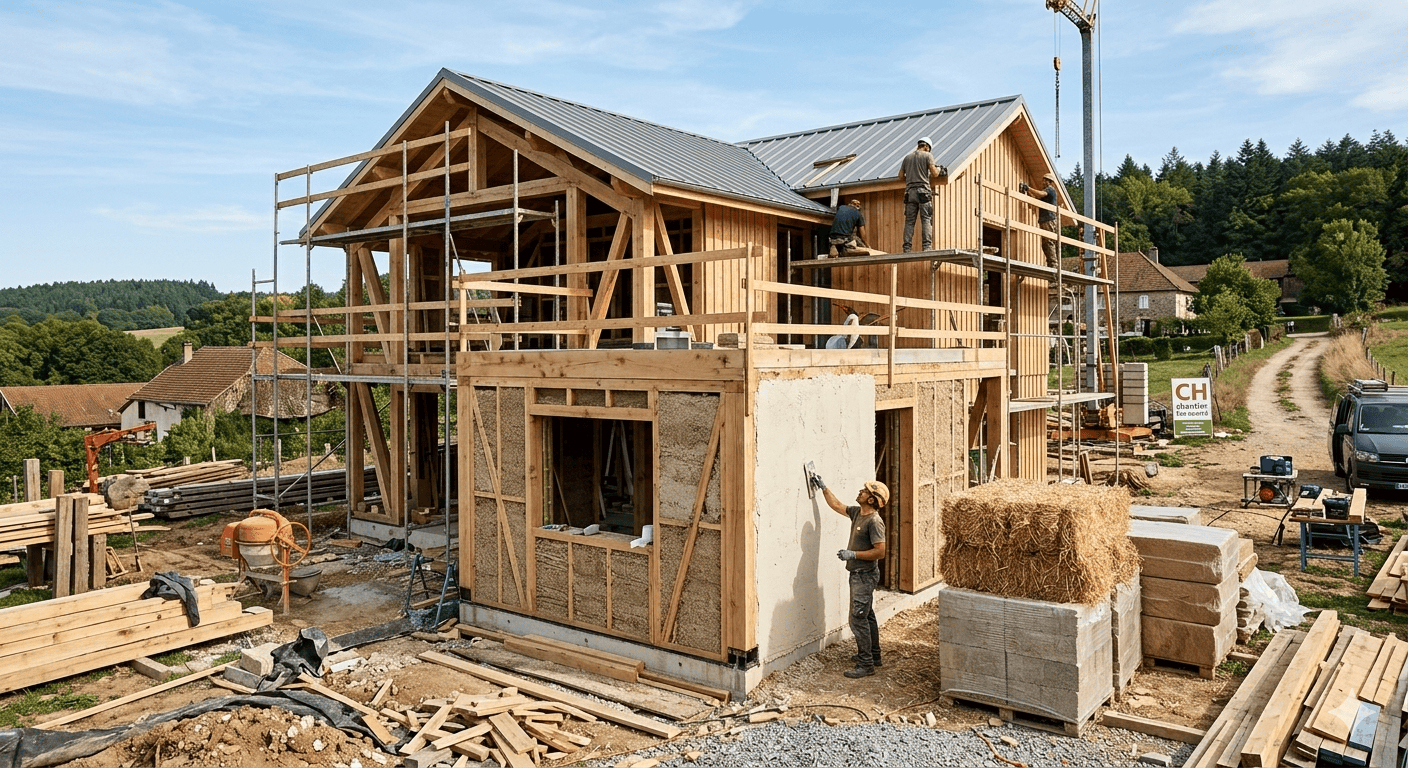
The subject of biosourced materials has moved beyond insiders' circles in recent years to become a central topic in all discussions on sustainable construction and renovation. Mandated by RE 2020, endorsed by environmental certifications, favored by a new generation of buyers concerned about buildings' carbon footprint: these biologically sourced materials are now an essential dimension of sustainable real estate projects. However, their diversity, specific performances, and implementation constraints require a thorough understanding before any choice. Here is a comprehensive guide to navigate through them in 2026.
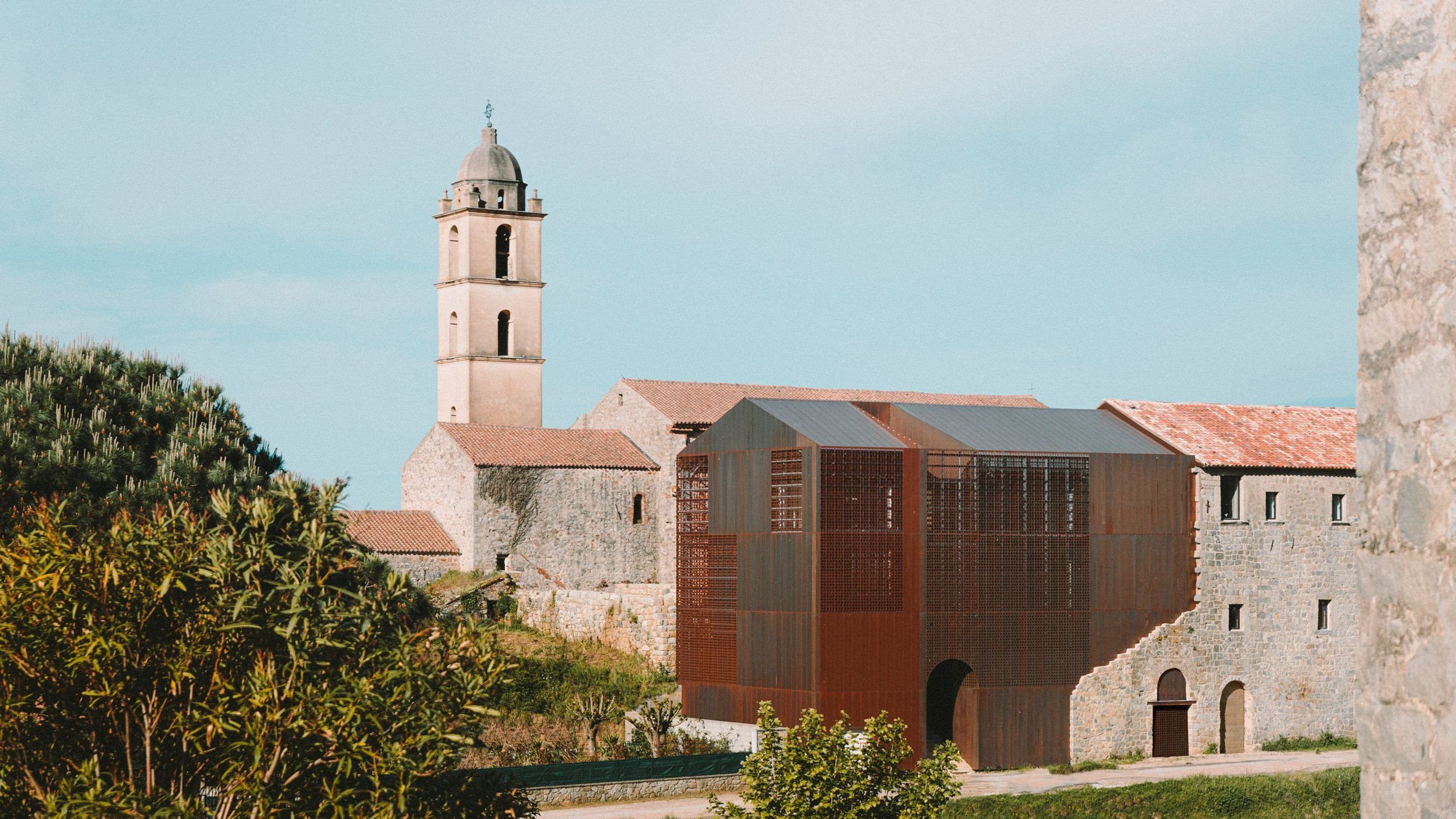
There are architects who build. And then there are architects who listen first.
Amelia Tavella belongs to the second category. Before placing anything, she examines. She reads a site like one reads a soil, searches for layers, traces, what has lived there before. Only then does the project begin.
The jury of the Global Award for Sustainable Architecture 2026 rewarded her for exactly that: an architecture they described as "emotional, sensual, and organic," capable of reconciling heritage and sustainability without brutalizing either. The theme of this edition was "Architecture Is Transformation." It's hard to find a more fitting laureate.
We interviewed her.
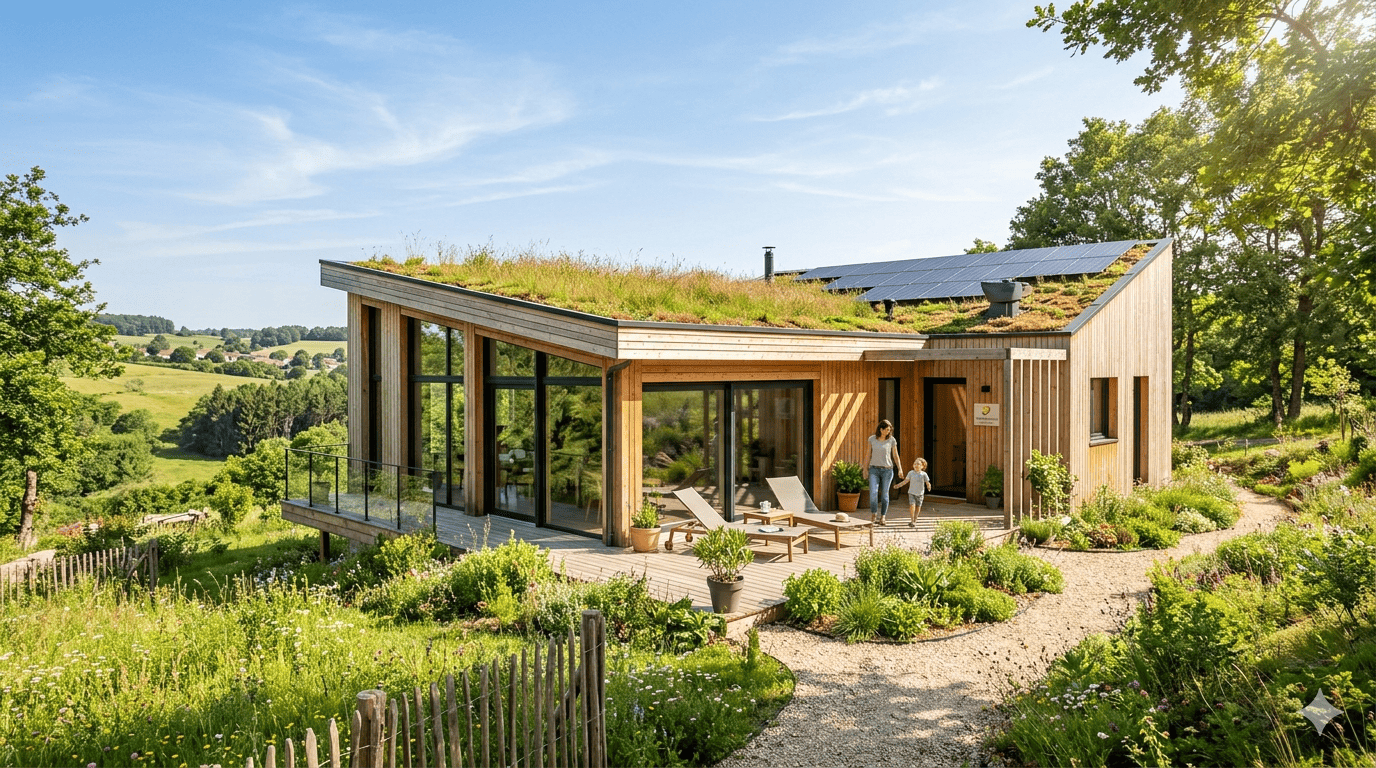
The passive house has become one of the most demanding standards in sustainable real estate in just a few years. Stemming from a German protocol developed in the 1990s, it is now recognized as a benchmark for buyers looking to combine quality of life, energy independence, and long-term asset value. This guide examines what a passive house really is, how much it costs, and where to find one in France in 2026.
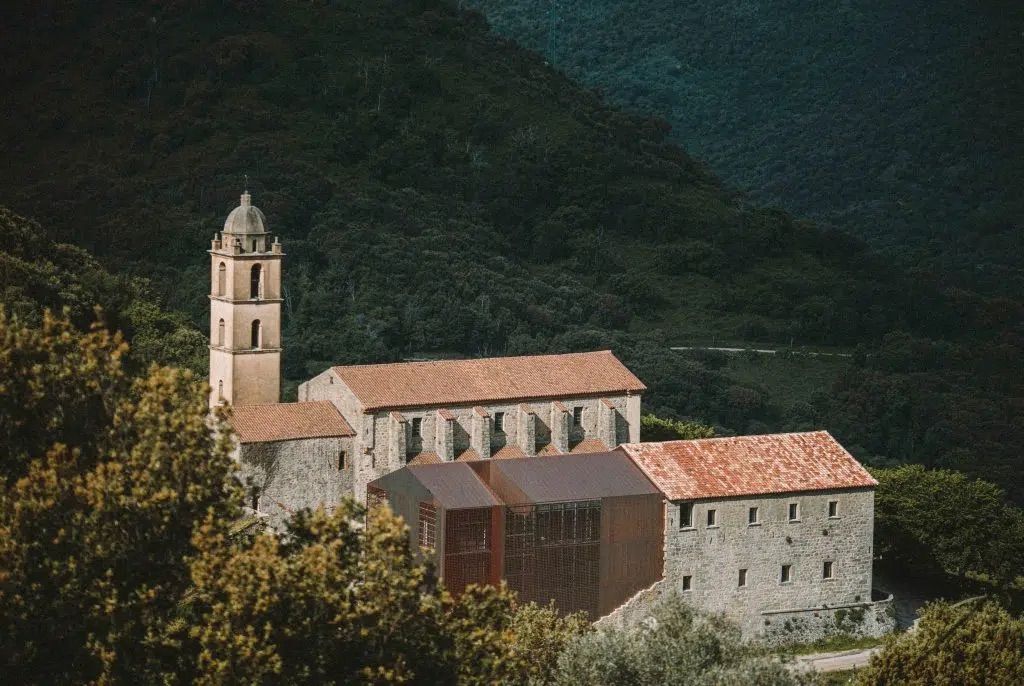
At a time when the real estate sector is redefining its landmarks between land sobriety, rehabilitation, and ecological transition, sustainable architecture offers a decisive reading grid: one that listens to a place before modifying it.
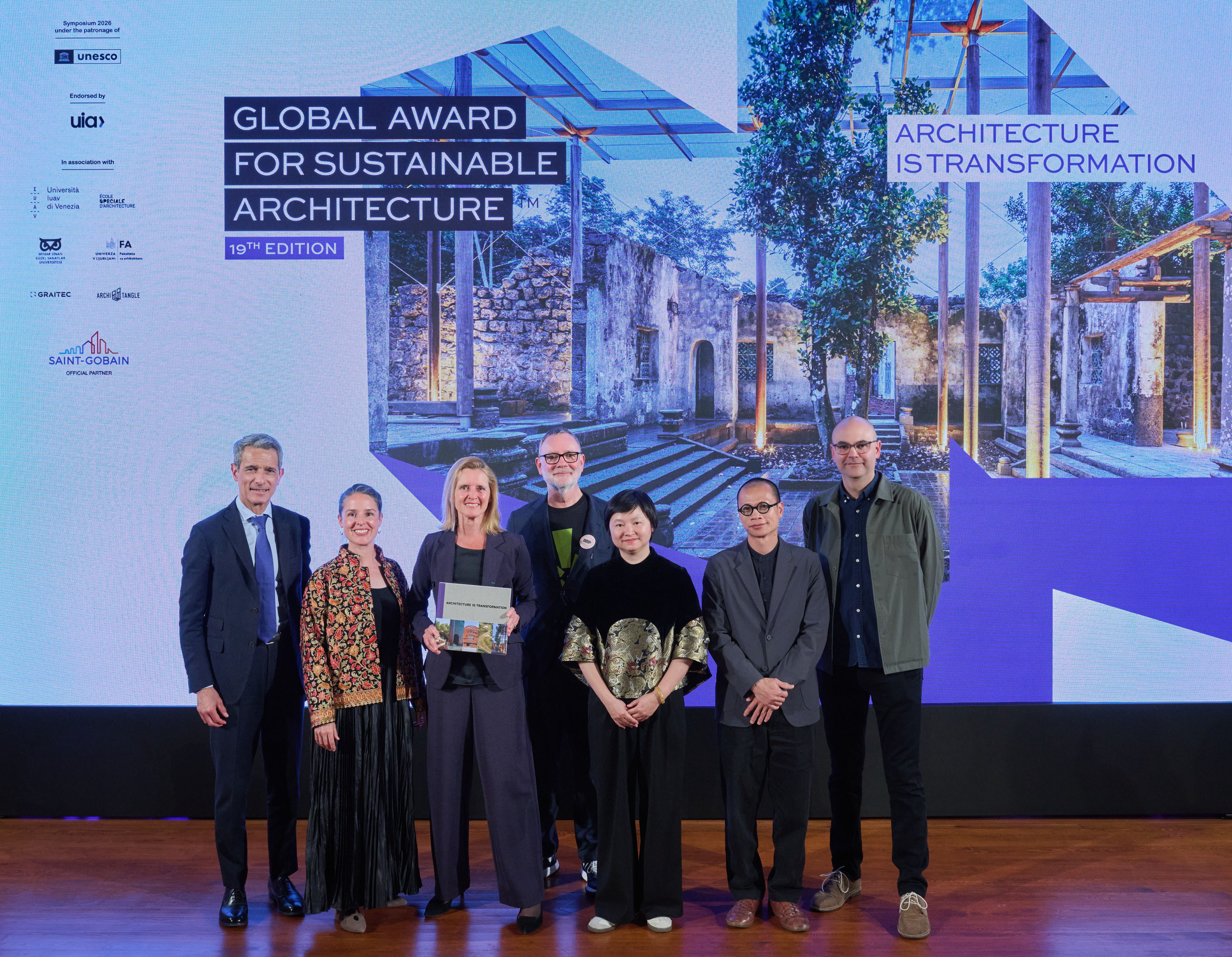
What if sustainable architecture represented a profound transformation in our way of living? The Global Award for Sustainable Architecture, whose 2026 edition has just taken place in Istanbul, rewards architects each year who are committed to innovative approaches to climate challenges. Under the patronage of UNESCO and the UIA (International Union of Architects), this award sheds light on the changes happening in architecture, redefining the real estate of the future.
Interview with Prof. Jana Revedin, its founder and president
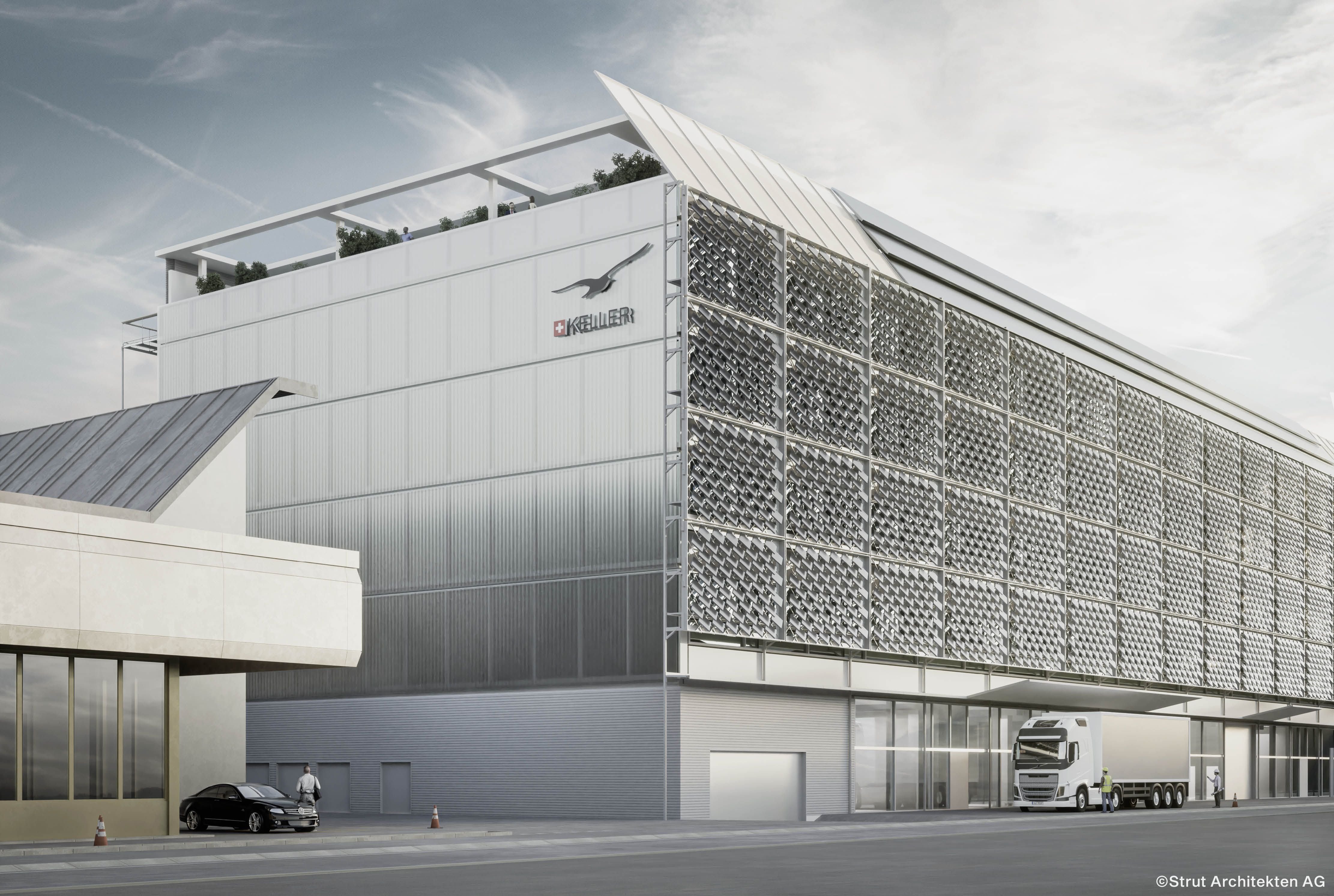
Buildings are among the largest energy consumers in the world, especially for heating, air conditioning, and lighting. At the same time, solar energy is the most abundant renewable resource we have. Faced with the climate and energy crisis, architecture can no longer afford to be passive. Space on urban rooftops is limited, making photovoltaic facades essential for modernizing buildings. What if a building's envelope could do more? What if it could move, think, and react to its environment—much like nature does?
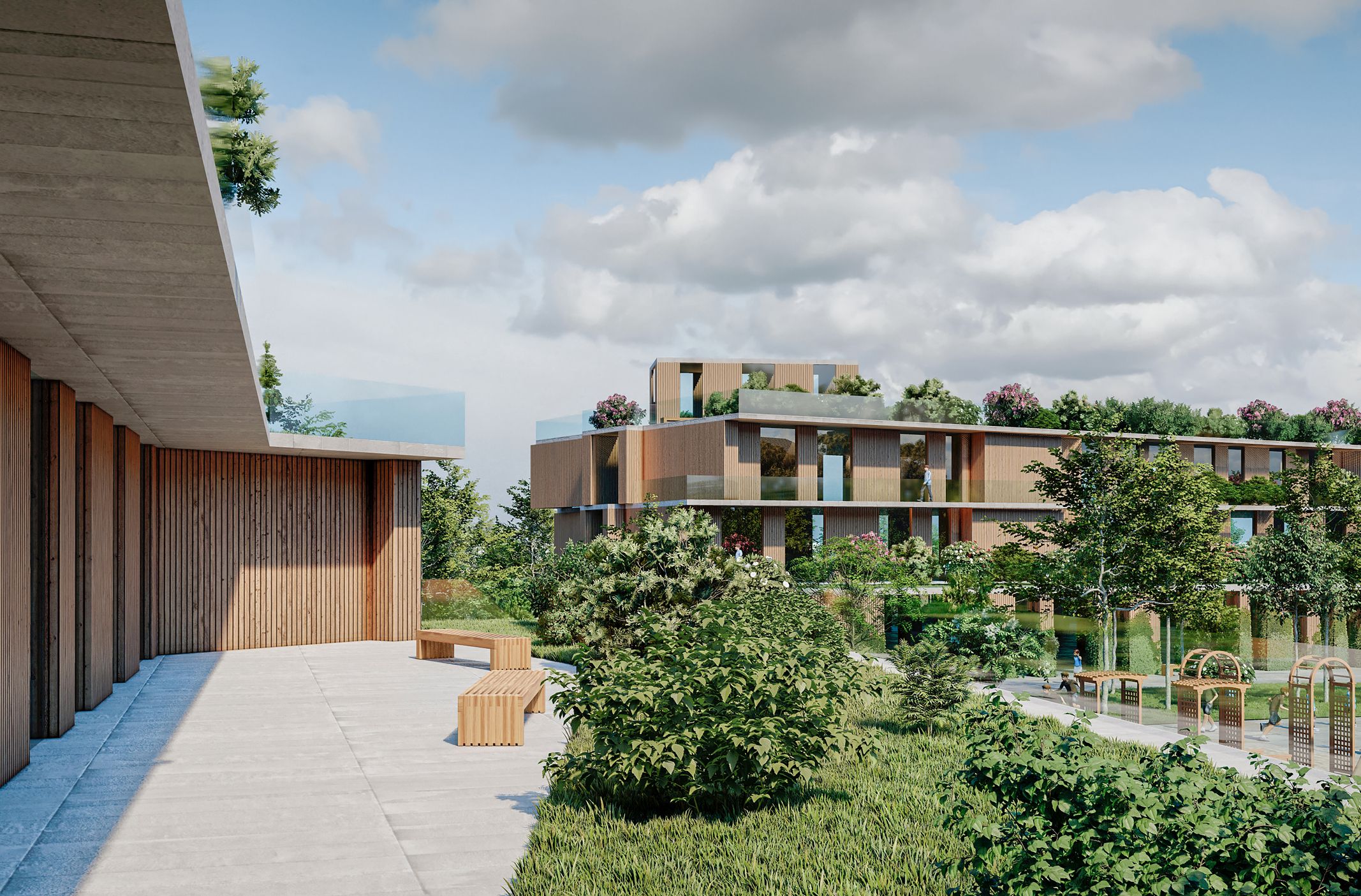
Among all eco-friendly construction certifications, BREEAM stands out as the Gold standard and is highly respected for being very comprehensive.
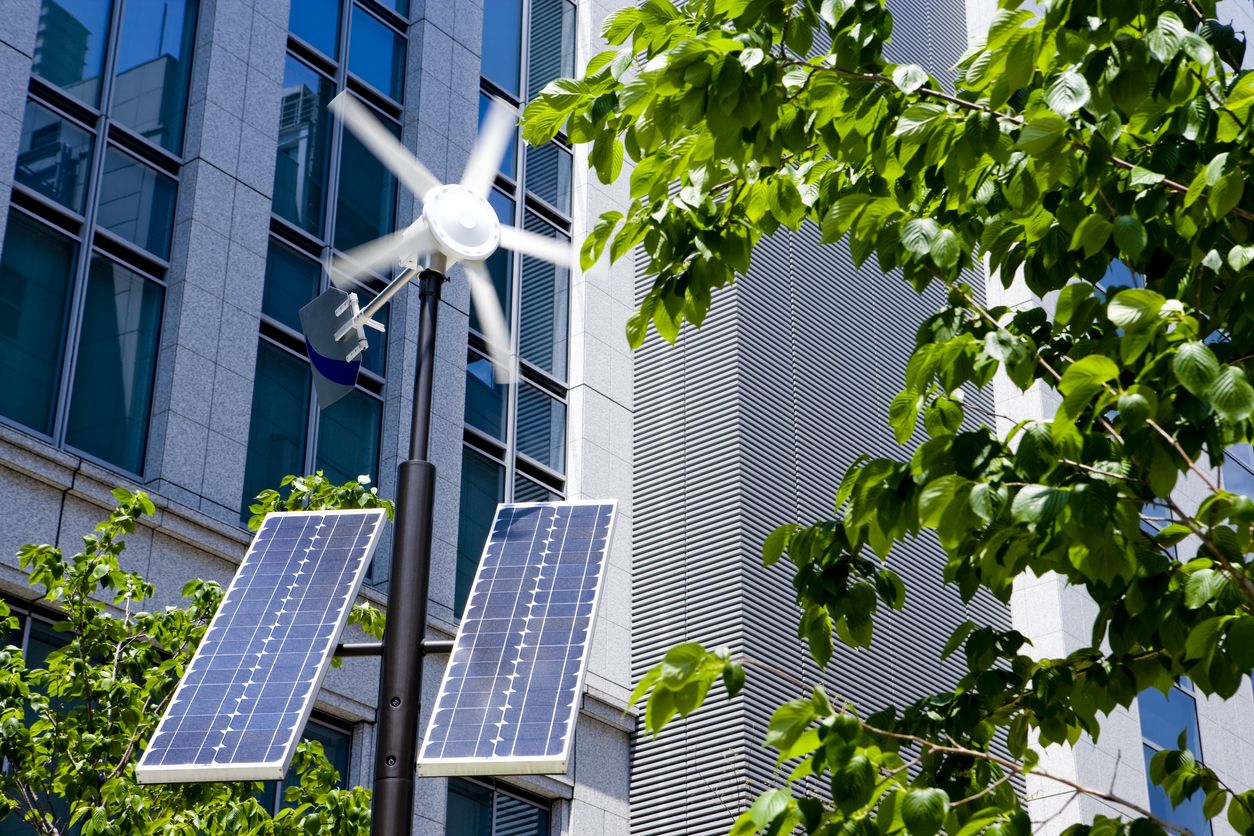
The RE 2020 (Environmental Regulation 2020) defines the maximum energy consumption of new buildings with the aim of reducing their overall environmental impact by more than 30% by 2030.