


Articles

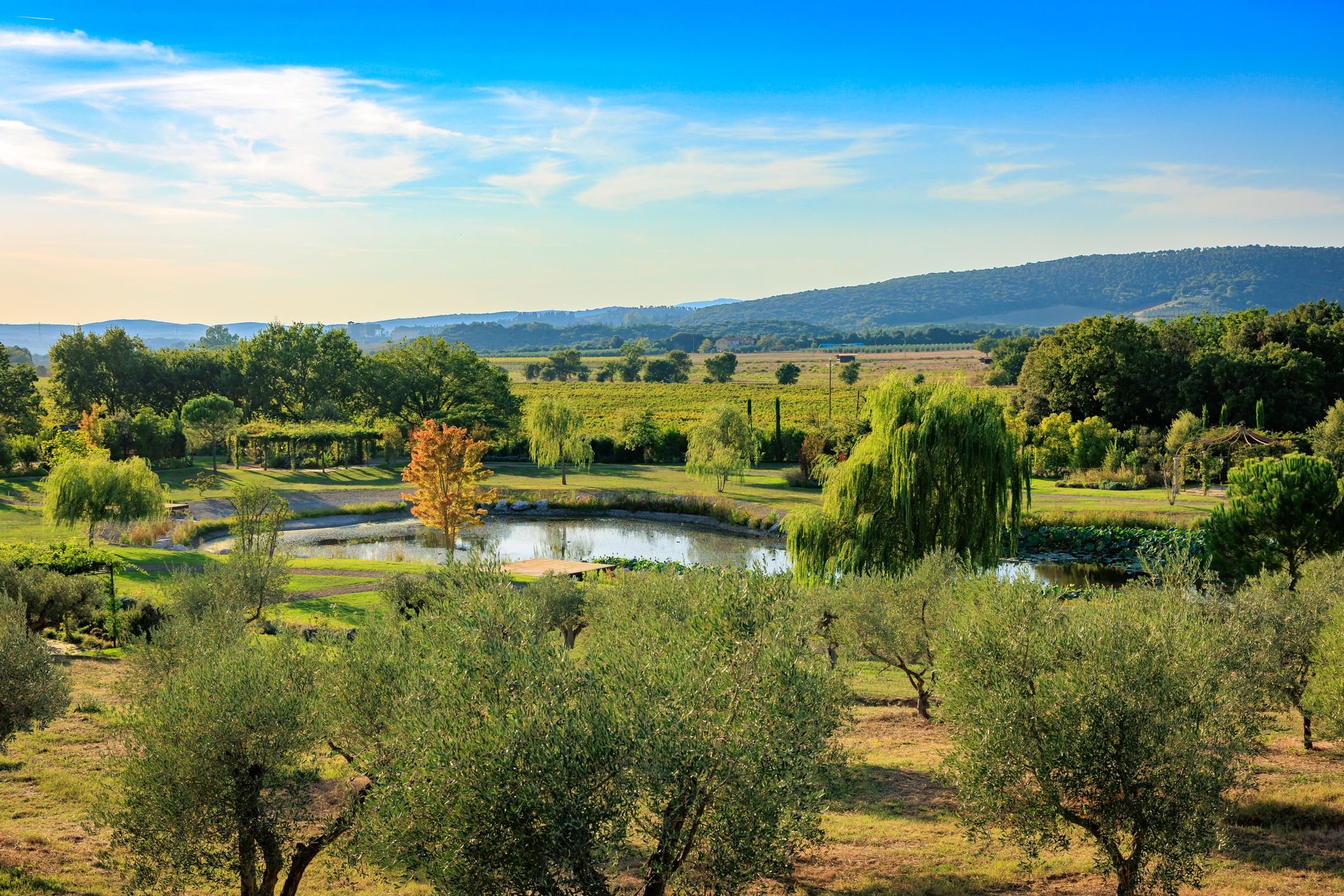

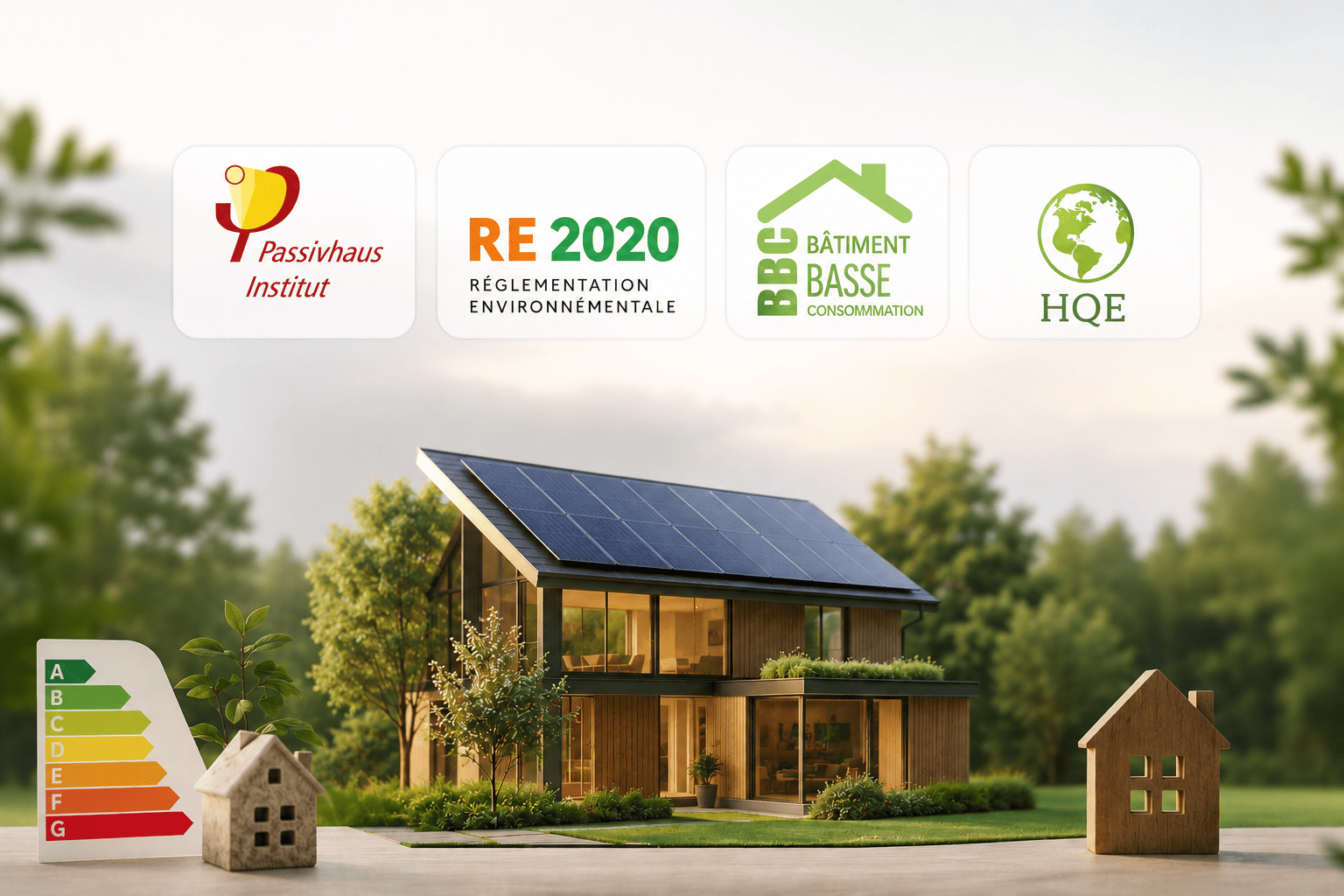
For decades, the performance of a house has been mainly measured by its energy consumption during use. This approach, now inadequate in the face of climate challenges, is giving way to a more comprehensive vision: the global carbon footprint, which includes all emissions related to the construction, use, and end of the building's life. With the RE 2020, this logic has become mandatory for new constructions in France, and it is gradually emerging as an evaluation criterion for buyers and investors. Here is how to calculate and concretely reduce the carbon footprint of a house in 2026.
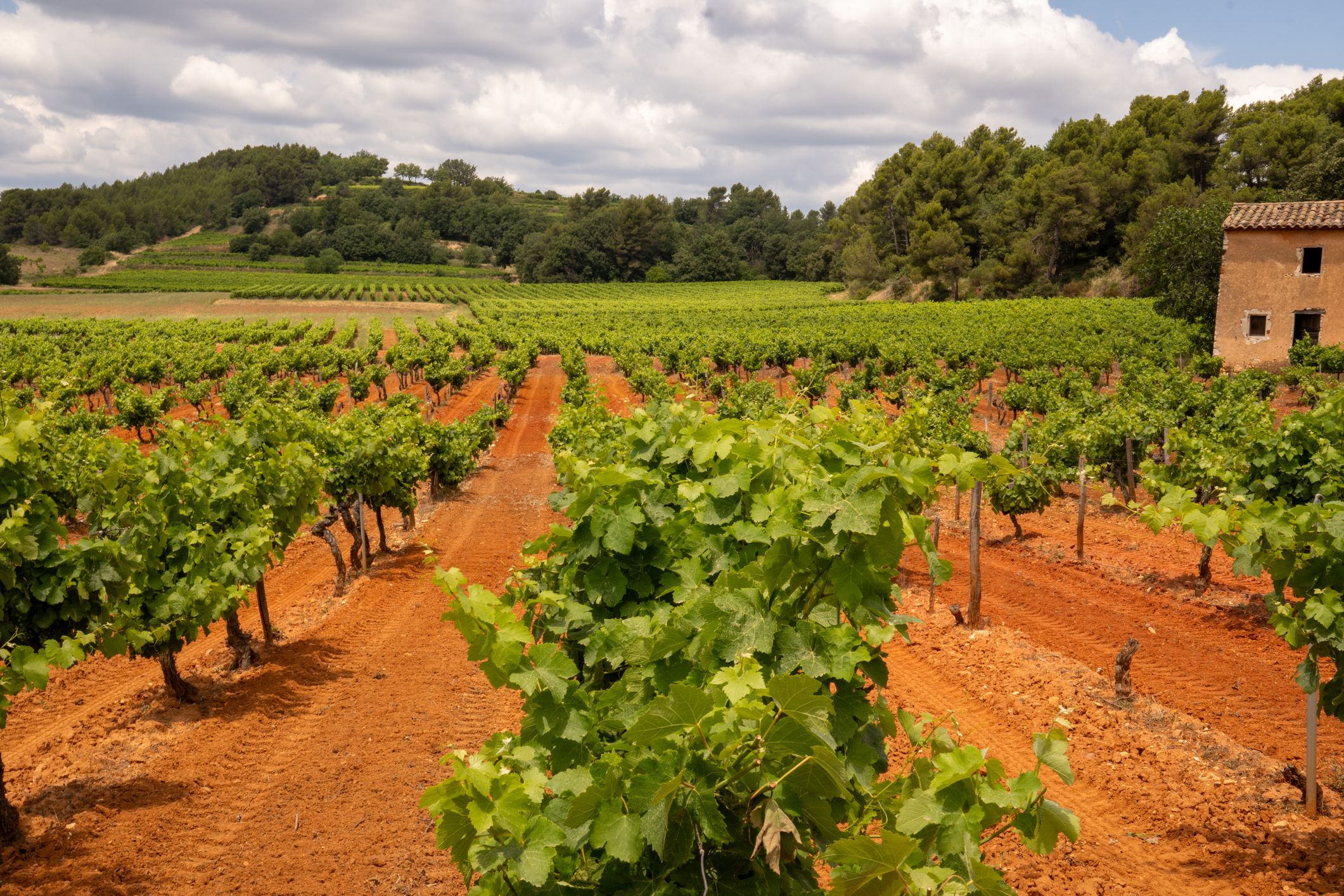

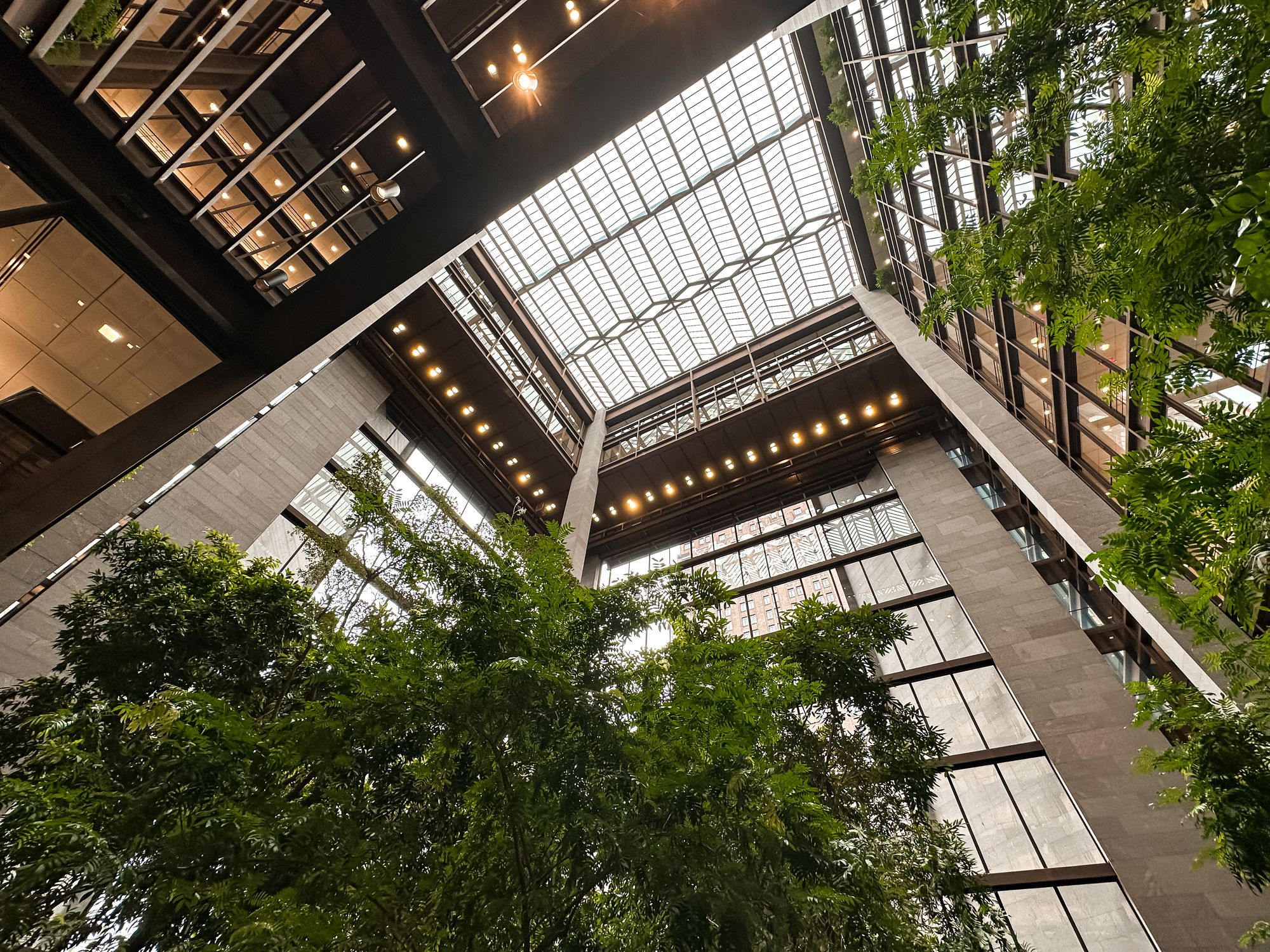
Among the tax schemes applicable to real estate investments in France, the property deficit holds a special place. Less spectacular than the Malraux Law or the Historical Monuments, it benefits, however, from accessibility and simplicity that make it the most widely used mechanism by French rental investors. For buyers focused on sustainable real estate, the property deficit takes on enhanced dimensions with the temporary doubling of the ceiling for certain energy renovation work. Here is a complete guide to understanding how it works in 2026.

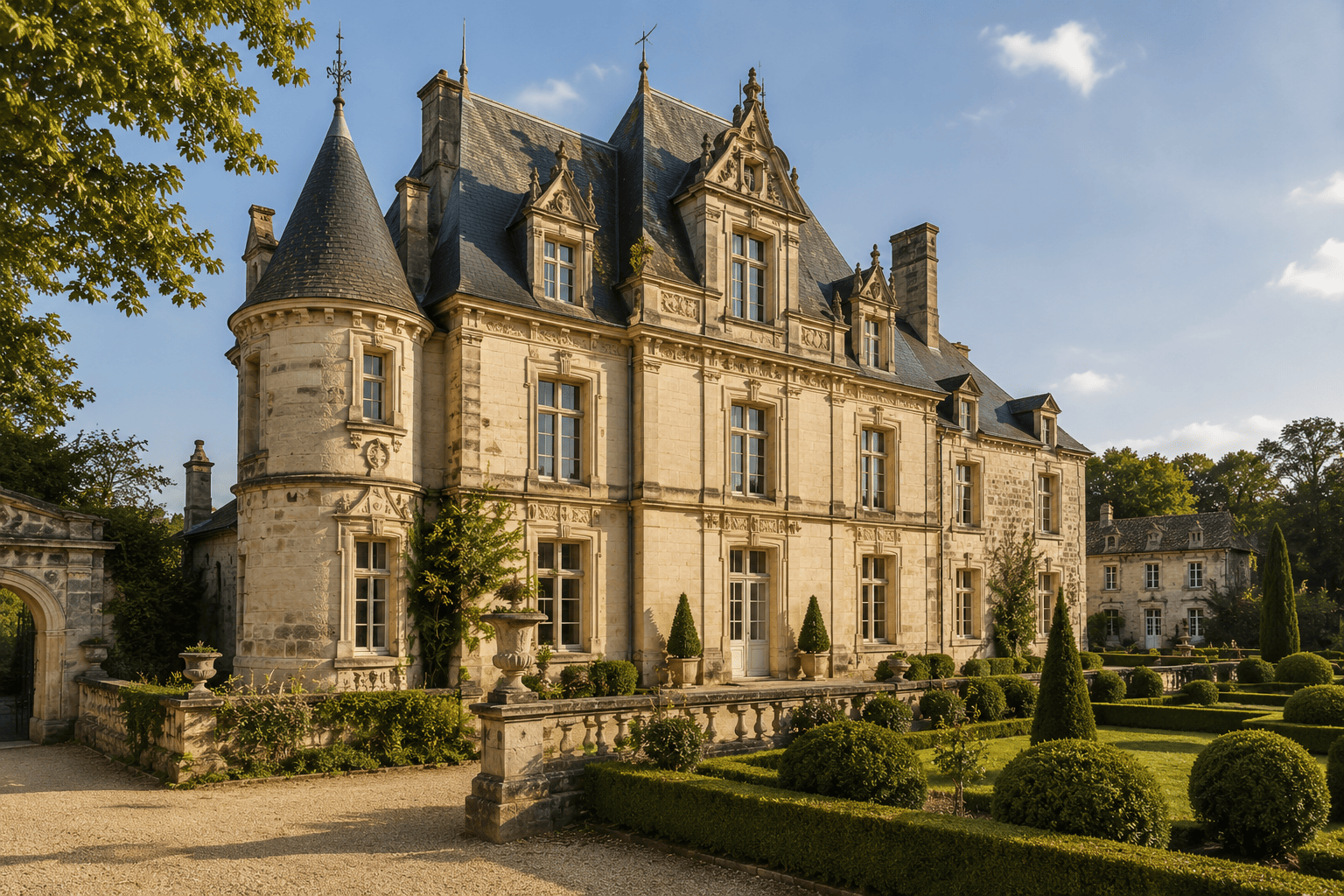
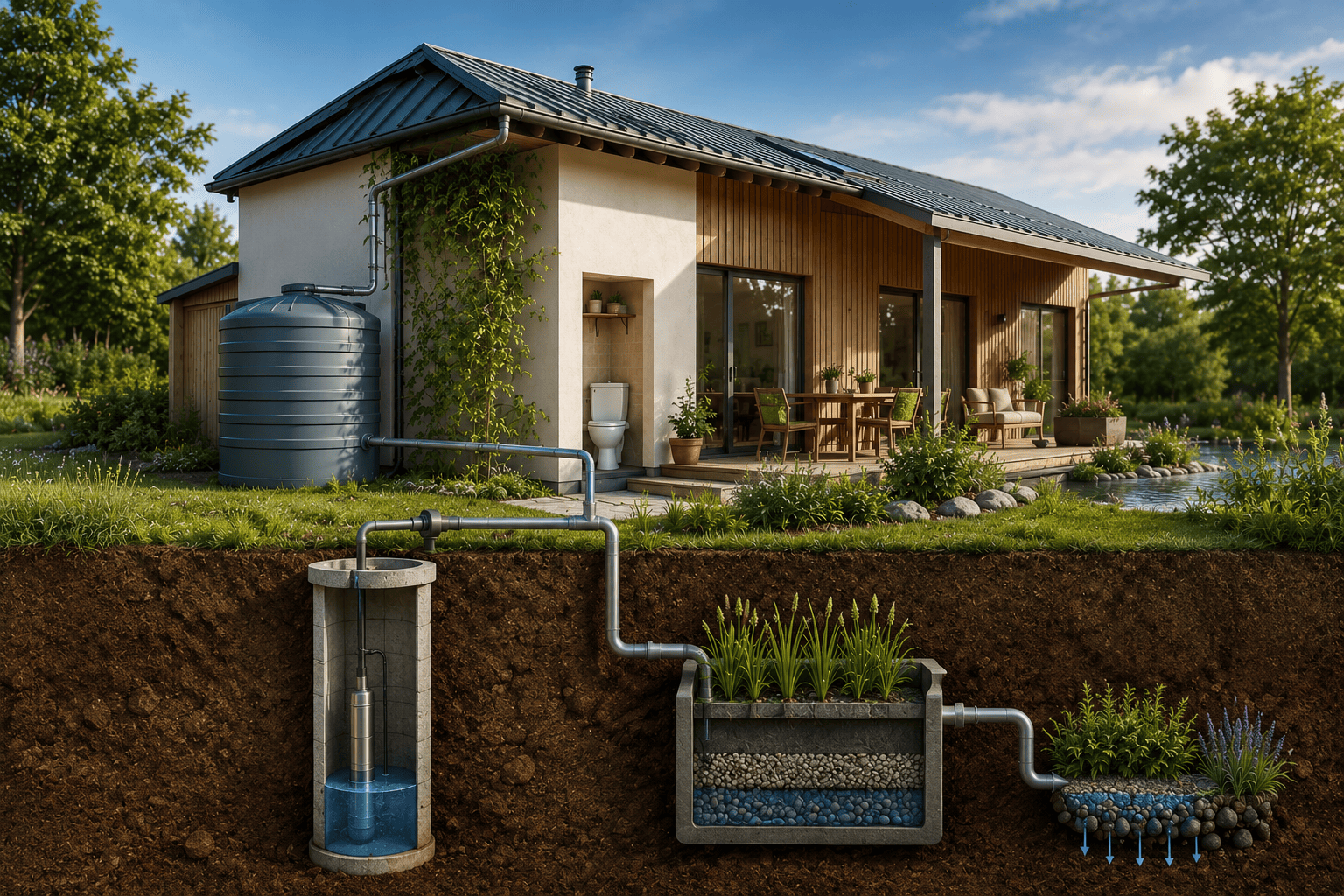


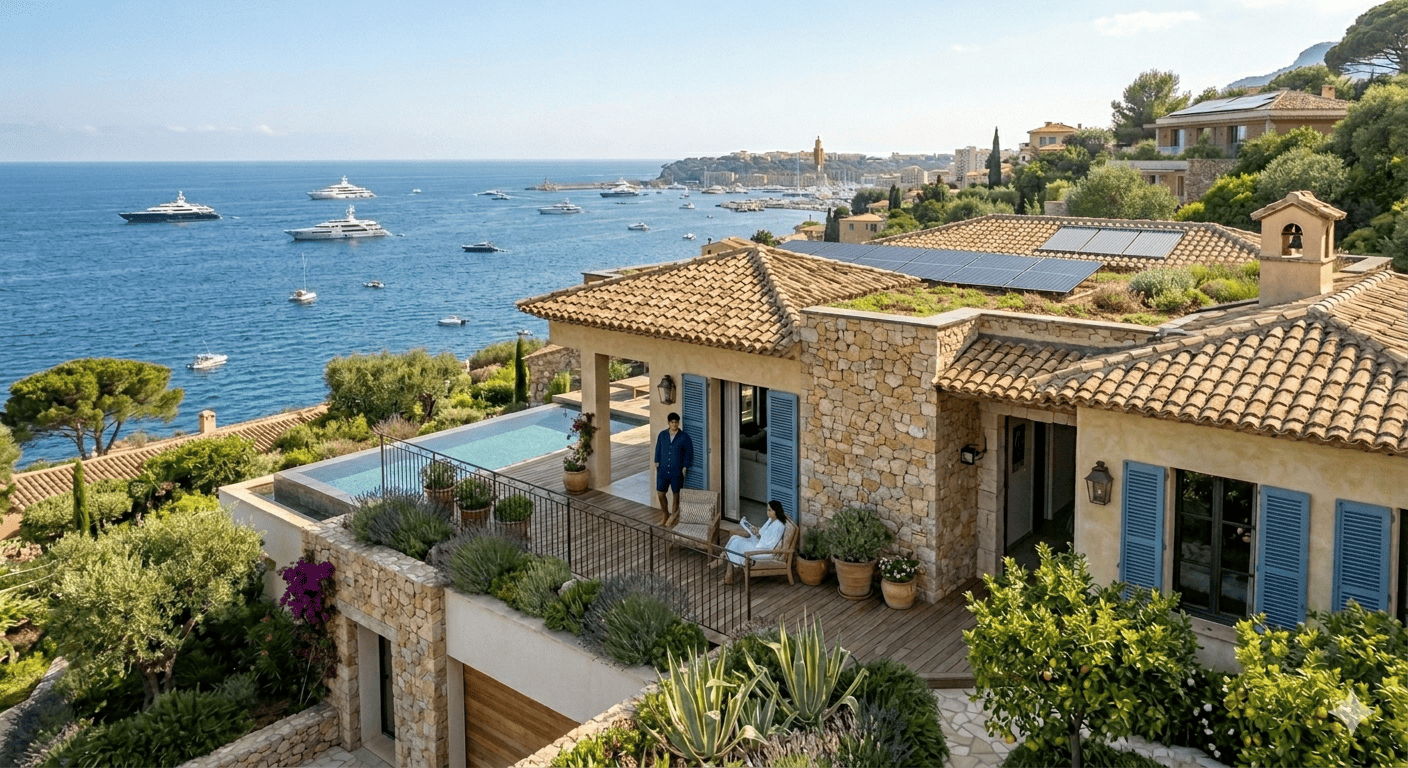
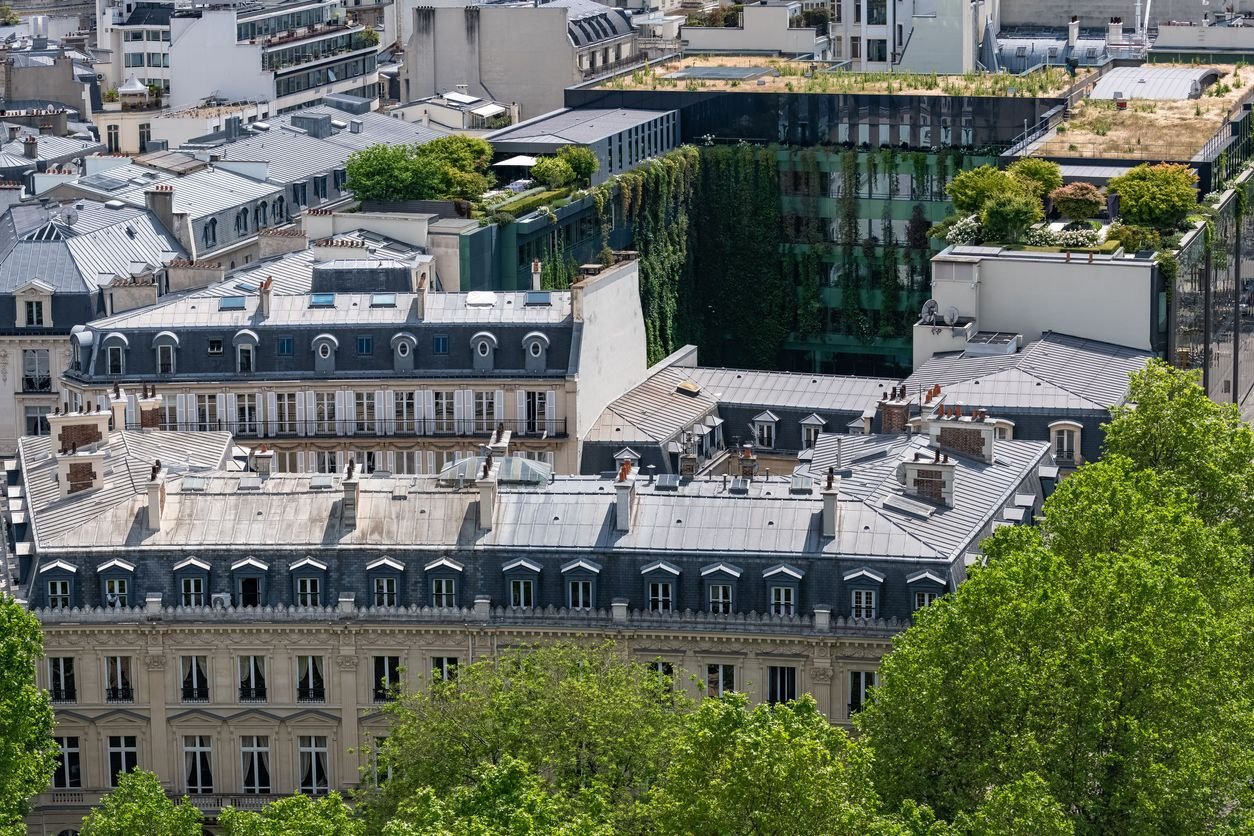
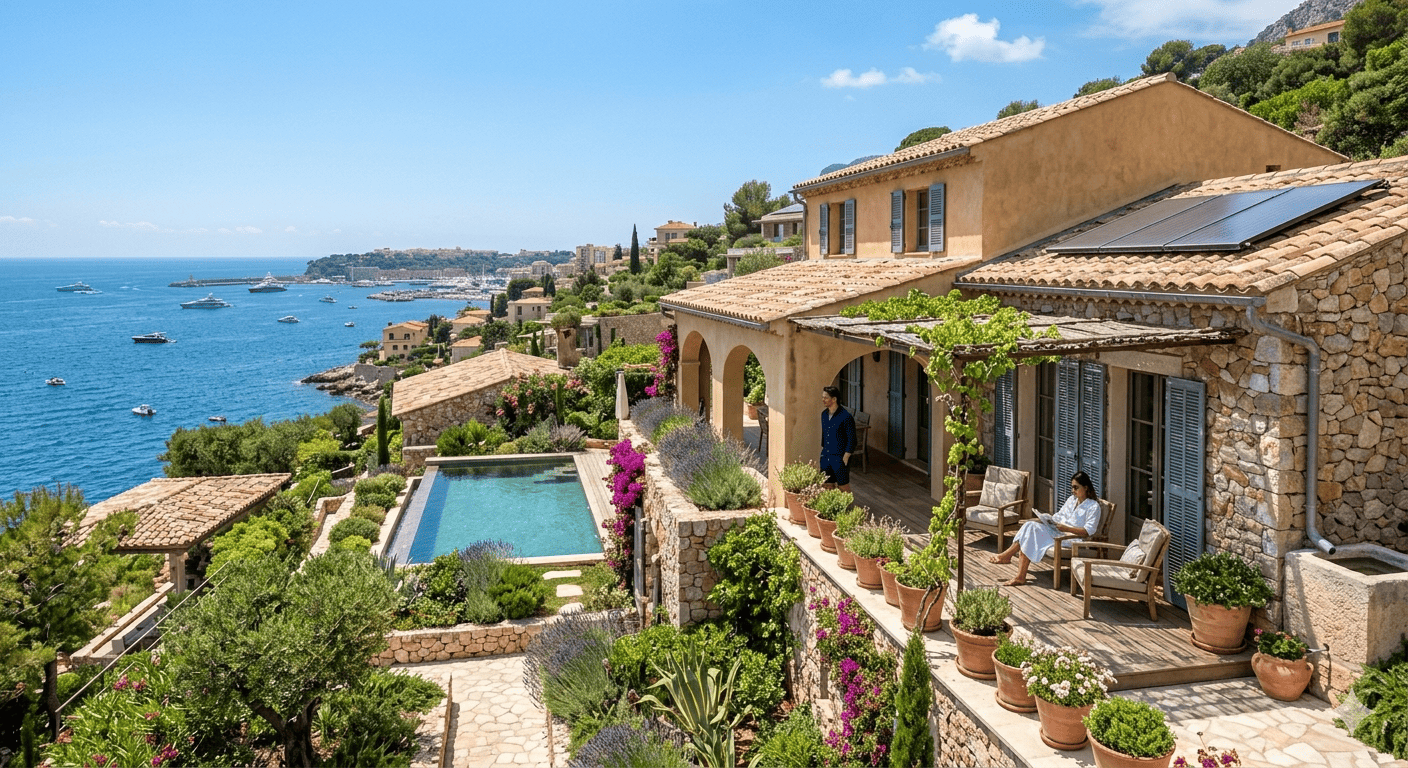
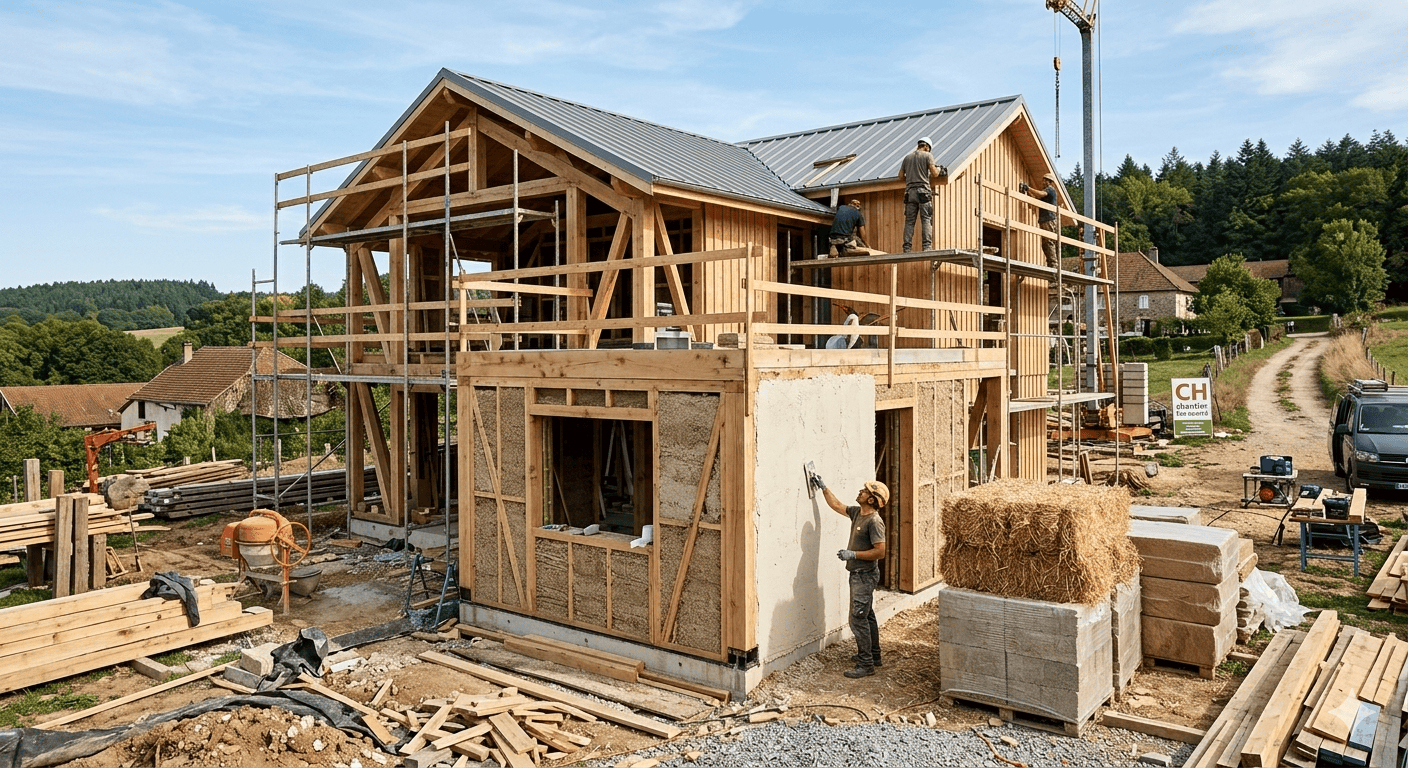
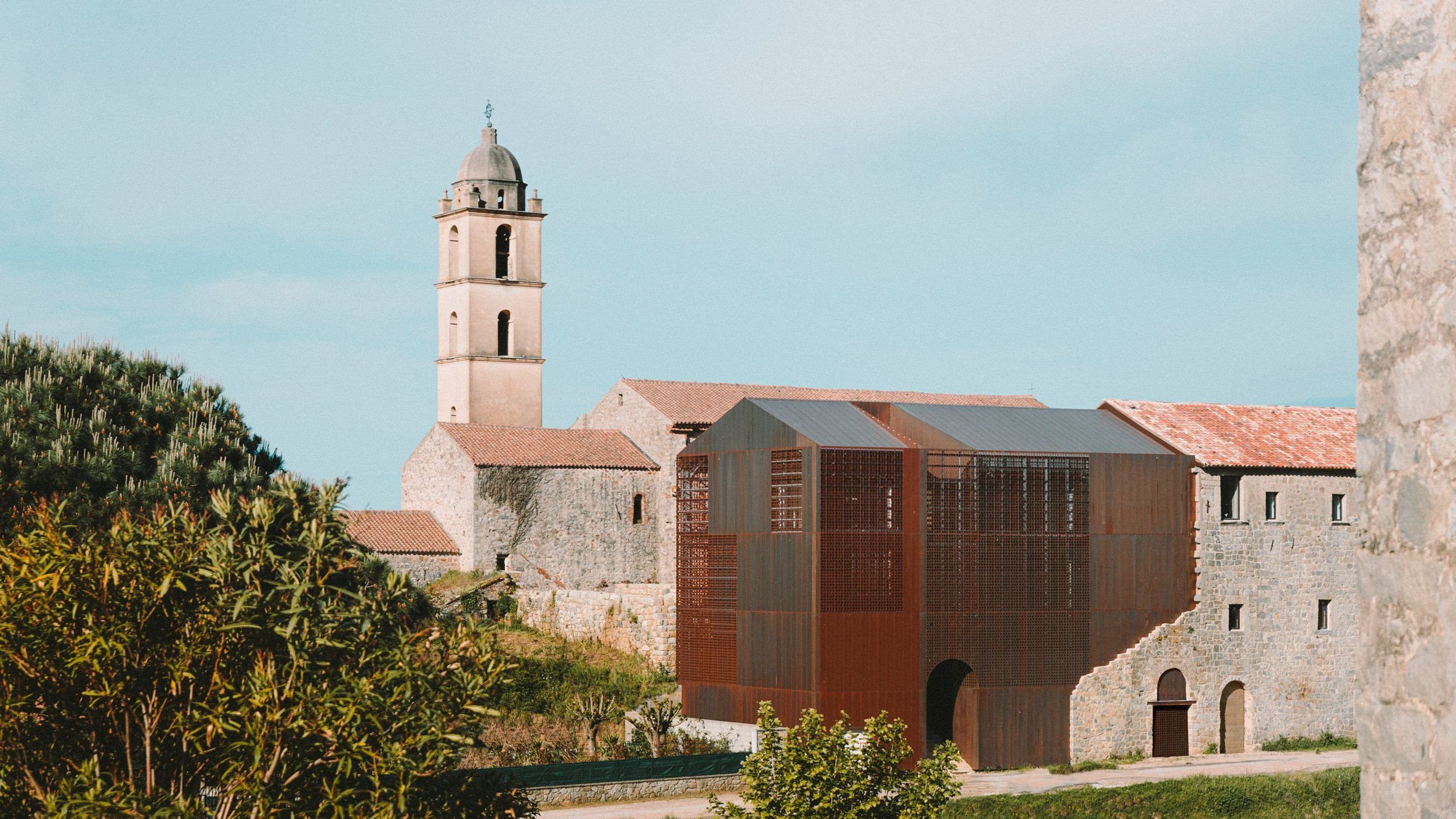
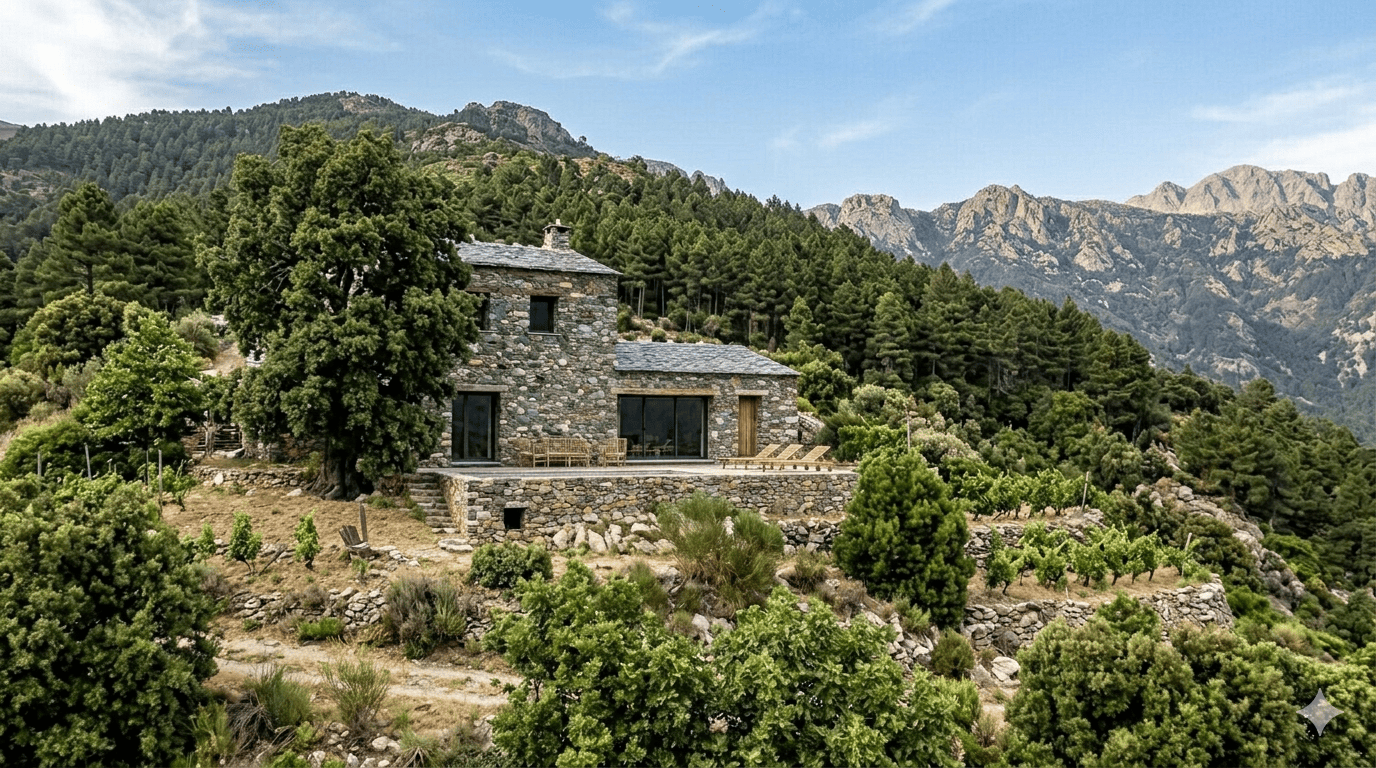
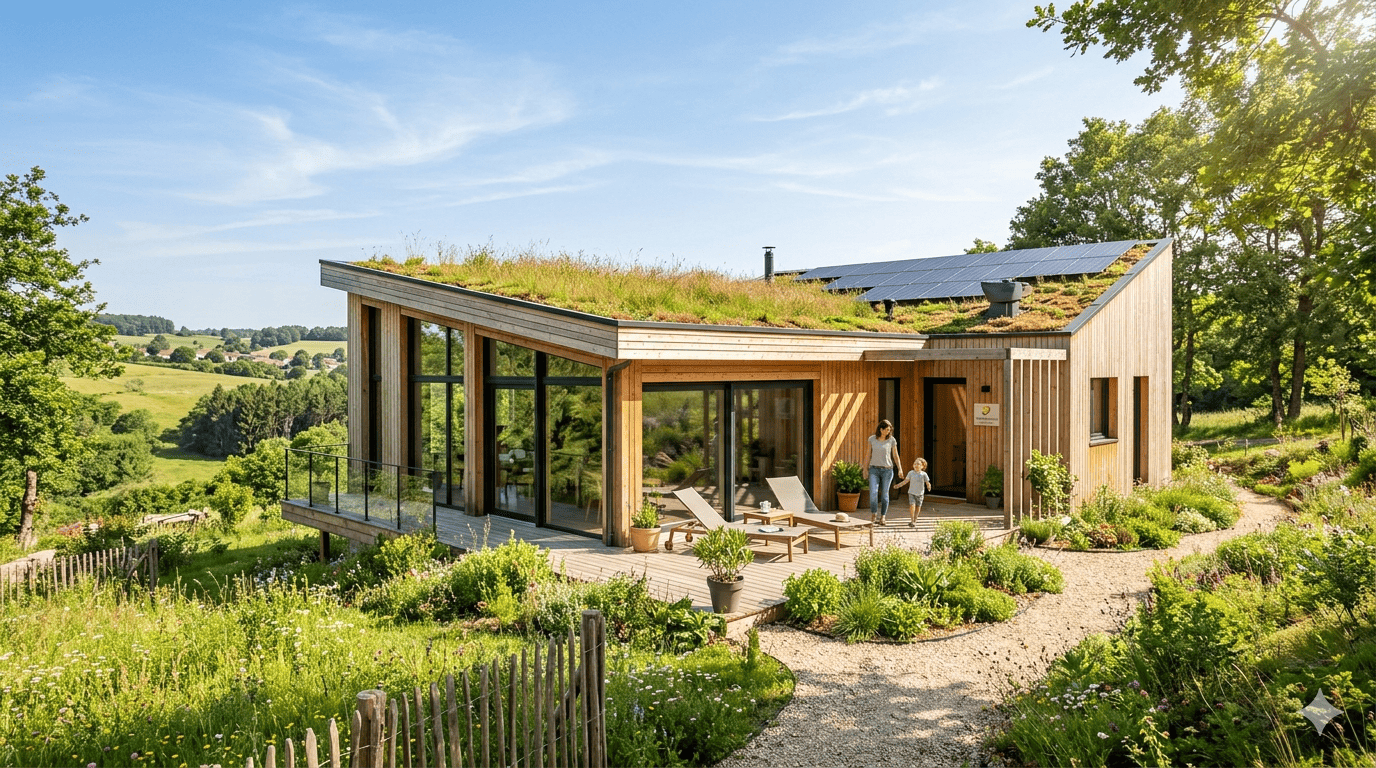
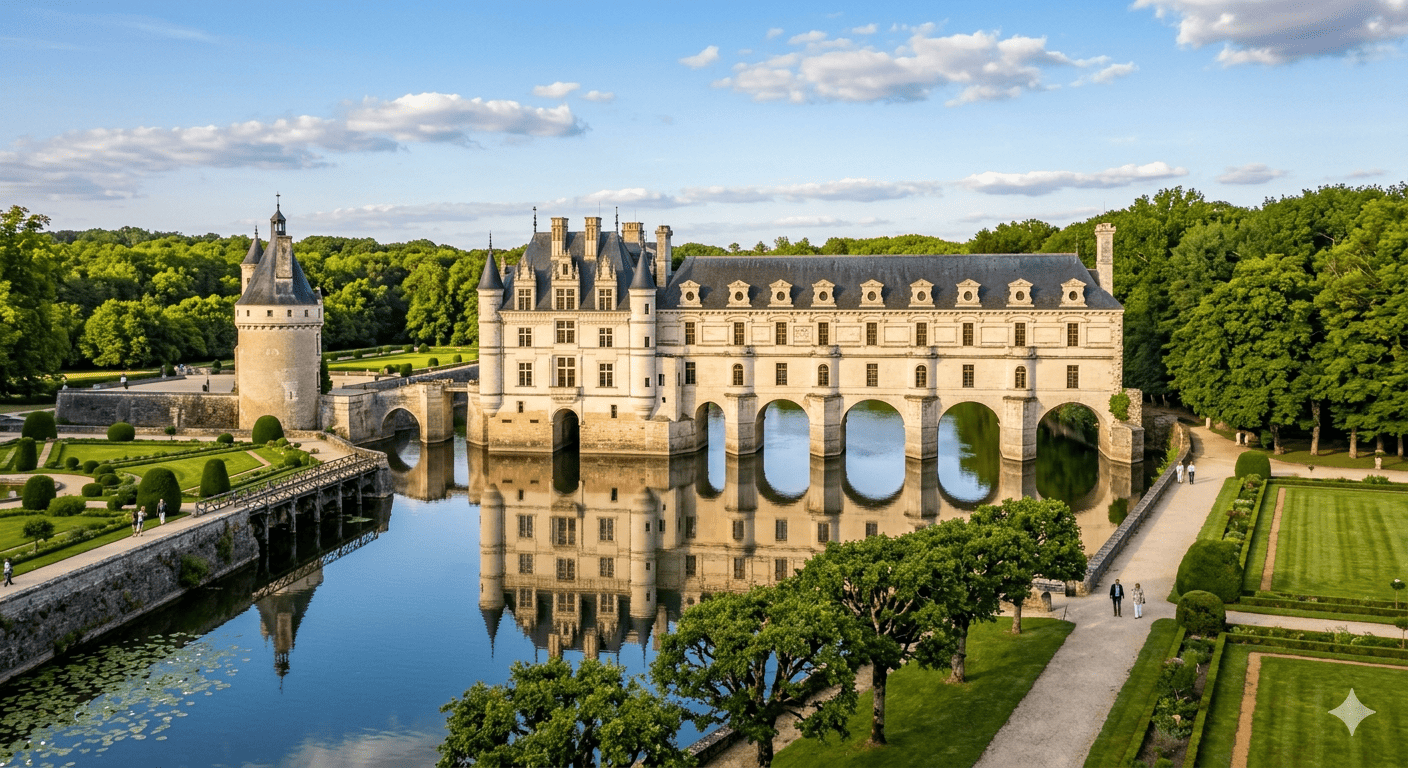
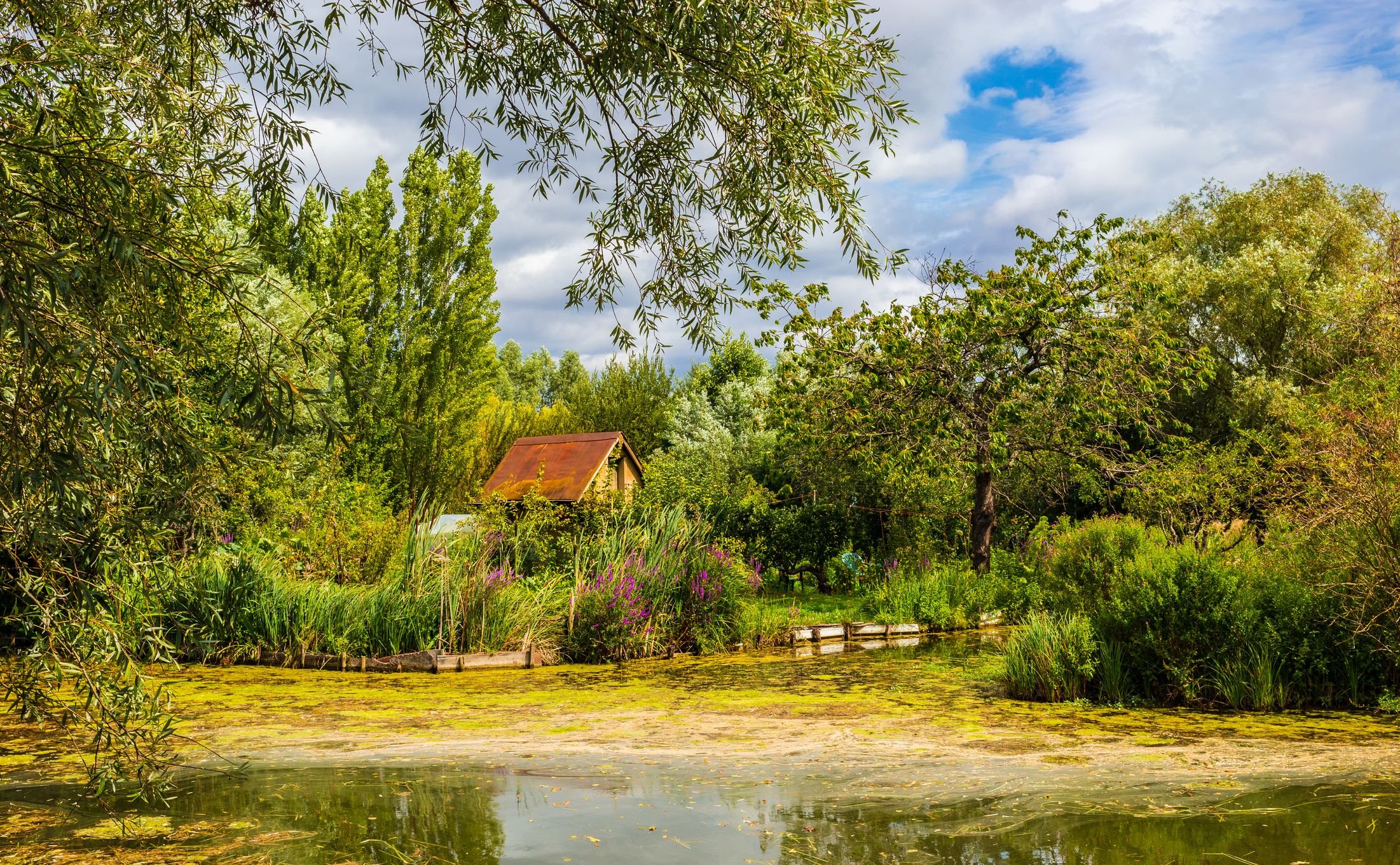

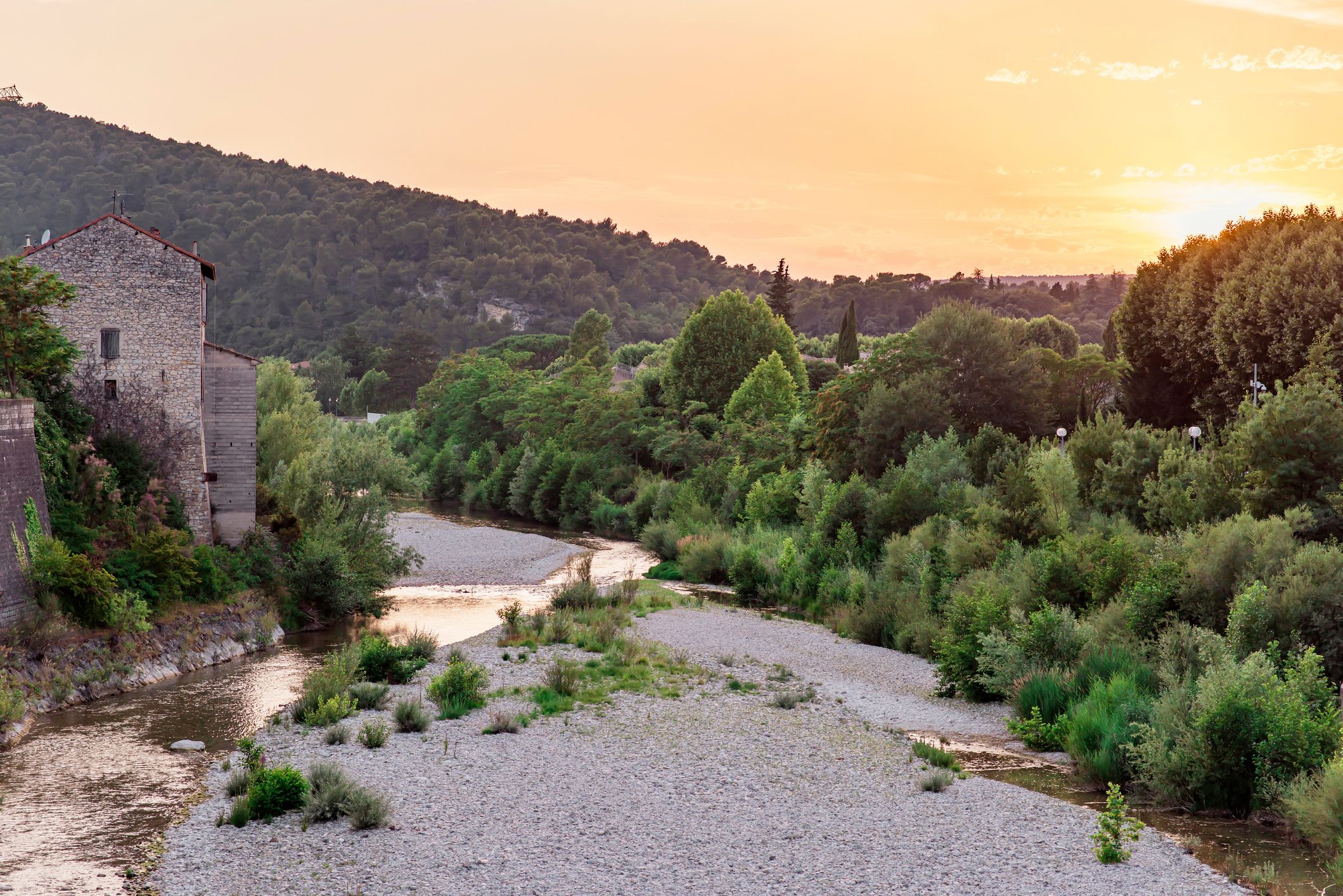
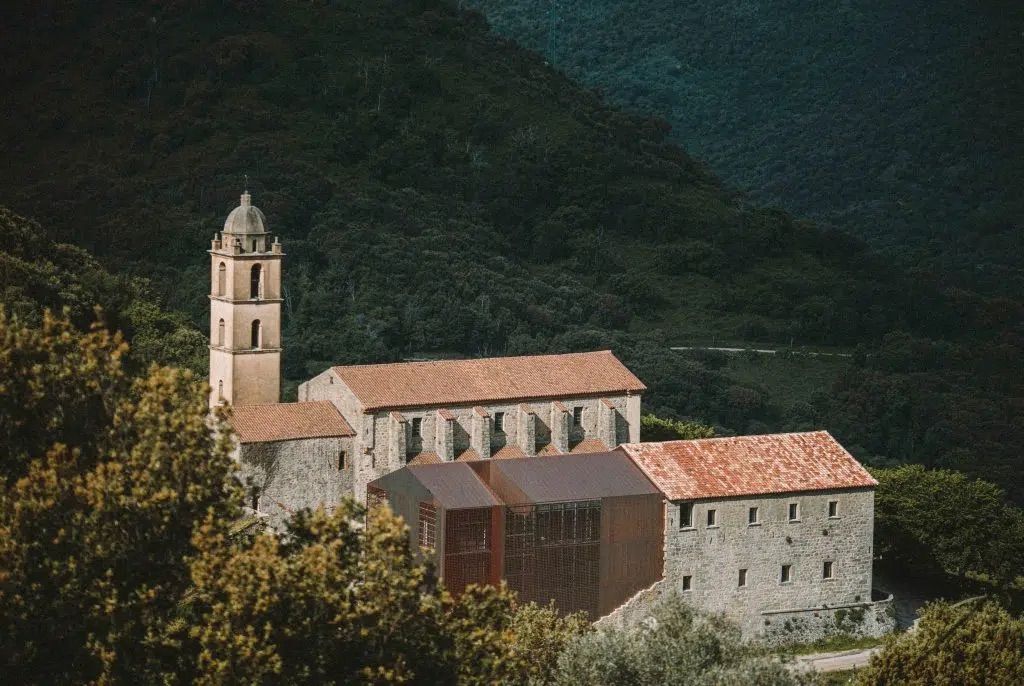

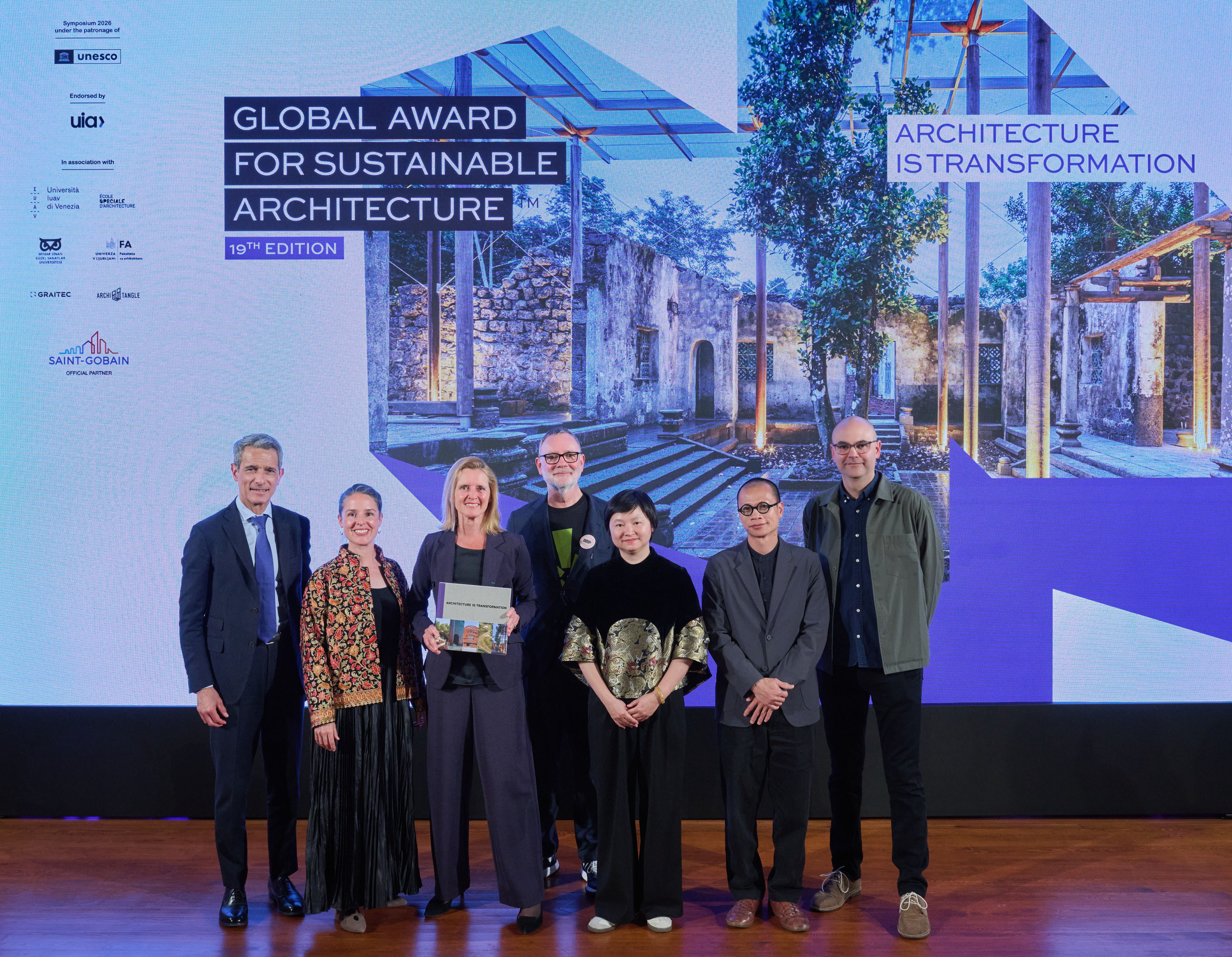
What if sustainable architecture represented a profound transformation in our way of living? The Global Award for Sustainable Architecture, whose 2026 edition has just taken place in Istanbul, rewards architects each year who are committed to innovative approaches to climate challenges. Under the patronage of UNESCO and the UIA (International Union of Architects), this award sheds light on the changes happening in architecture, redefining the real estate of the future.
Interview with Prof. Jana Revedin, its founder and president