Article categories “INNOVATION”
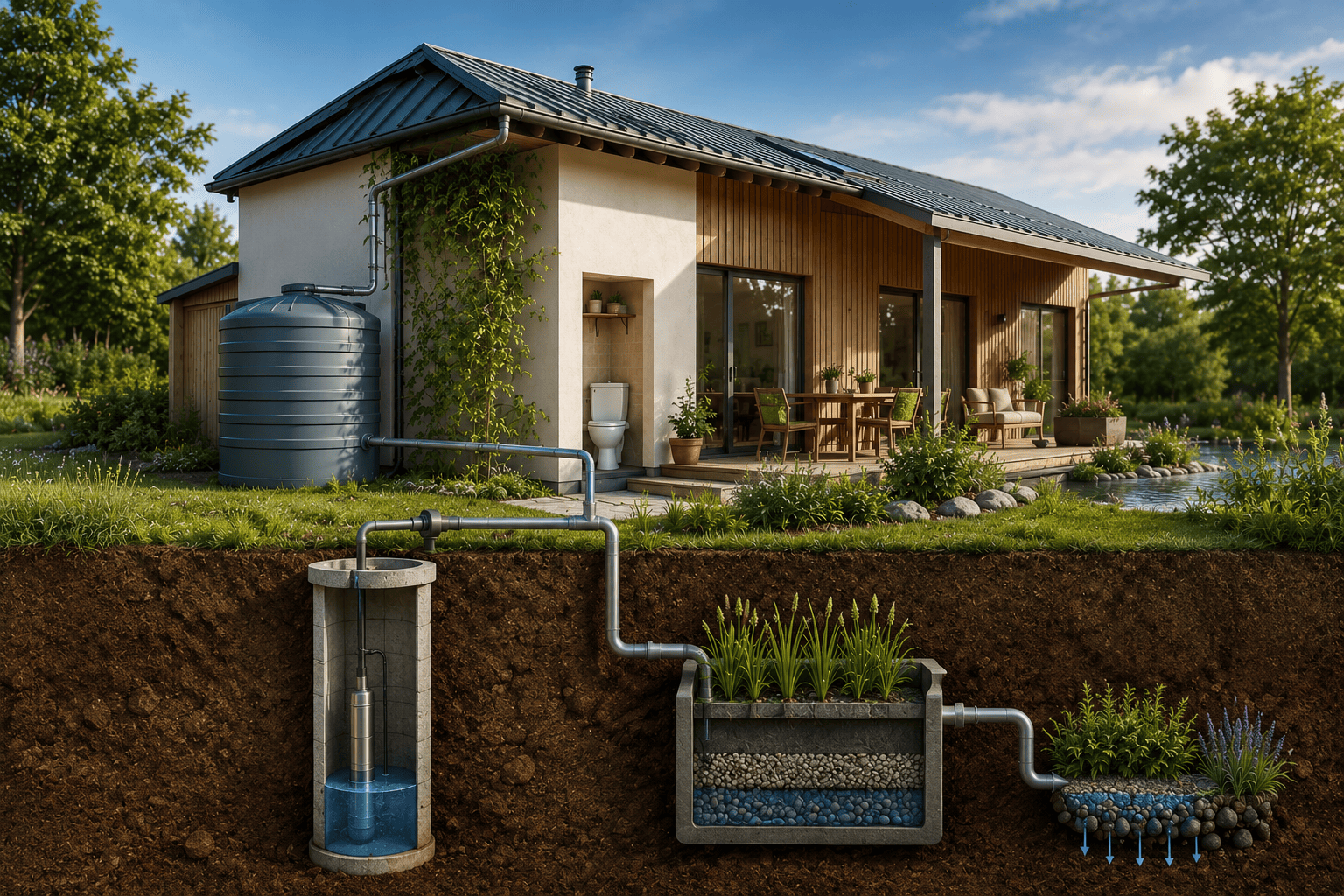
In France, water has long been considered an abundant resource, with availability not structurally questioned for residential properties. However, this perception is evolving. The repeated drought episodes since 2018, the recurring summer water restrictions even in traditionally well-supplied regions, and the growing awareness of the environmental cost of treating and delivering drinking water are leading an increasing number of buyers and property owners to integrate water autonomy into their real estate approach. This guide provides an overview of the available technical solutions, their costs in 2026, and the configurations suitable for different types of properties and regions.
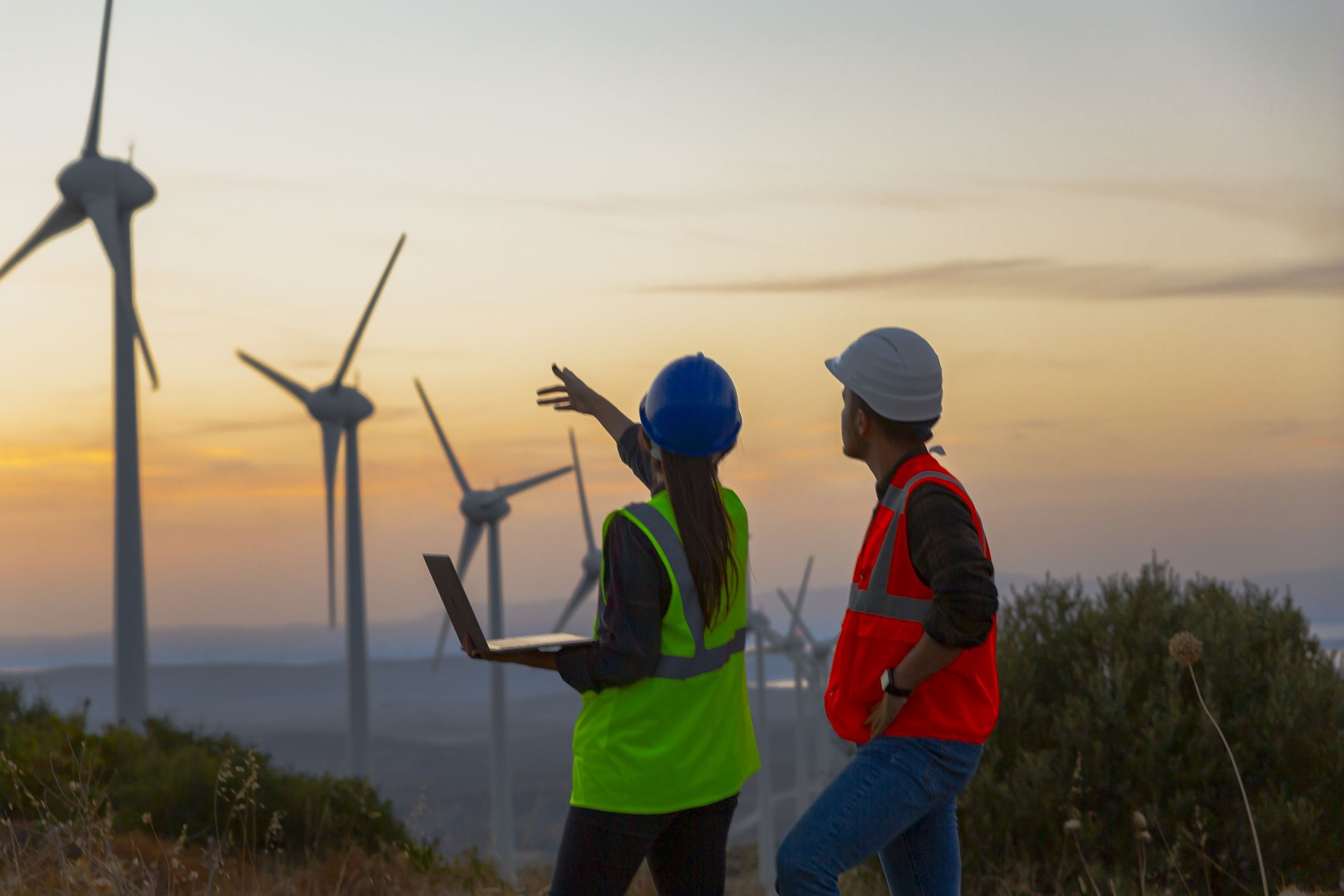
The energy autonomy of a home has long been seen as an idealistic project isolated in remote areas. In recent years, it has become a reasonable goal for an increasing number of buyers and homeowners, driven by the continuous decrease in equipment costs, the sustained rise in energy prices, and a desire for resilience in the face of strains on the grid. This guide provides an overview of different technical solutions, their costs in 2026, and the levels of autonomy realistically achievable.

As the real estate sector undergoes an unprecedented transformation, PropTech emerges as a crucial driver of innovation. PropTech (Property Technology) encompasses all technologies that are reshaping the way buildings are designed, managed, sold, or used. Digital solutions, connected devices, artificial intelligence, data exploitation: these are tools aimed at making real estate more efficient and sustainable. It is in this context of excitement that the RENT, Real Estate & New Technologies exhibition was held on November 5 and 6, 2025, in Paris, providing a captivating glimpse of the trends and innovations reshaping the future of real estate. We were there.
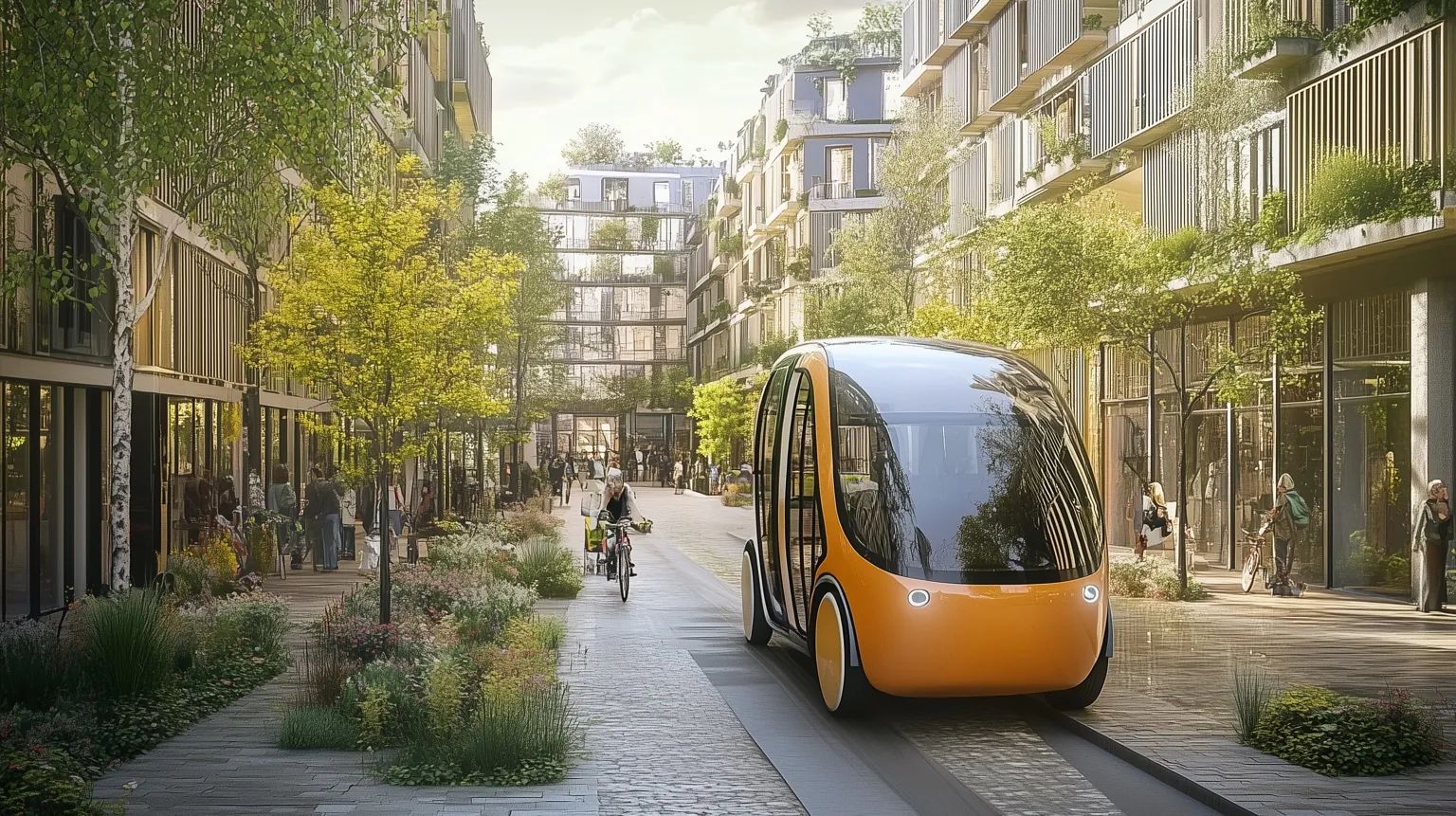
The housing of tomorrow cannot be conceived independently of the surrounding modes of transportation. A truly sustainable property is not only about good thermal insulation, green roofs, or solar panels. It is also a living space that is easily accessible, promotes low-carbon transportation, and is part of a soft mobility dynamic.
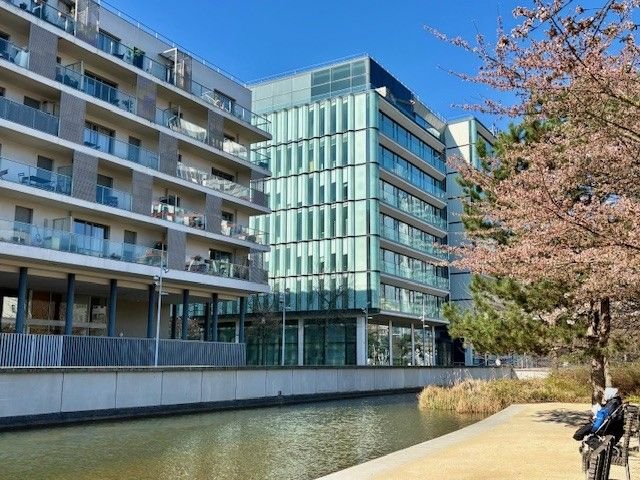
An eco-district is an urban development project aiming to integrate sustainable development objectives (social, economic, and environmental) and reduce its ecological footprint.