

Article categories “NEWS”

Climate change has become a structural dimension of real estate analysis. Coastal flooding, recurrent heatwaves, prolonged droughts, clay shrink-swell, coastal erosion, torrential floods: these are risks that are no longer part of distant scenarios but verifiable realities on the ground. For a buyer or investor in 2026, integrating these risks into their analysis is no longer a militant approach but a strategic necessity. Here is a comprehensive overview of the climate risks in real estate in France and their concrete implications.
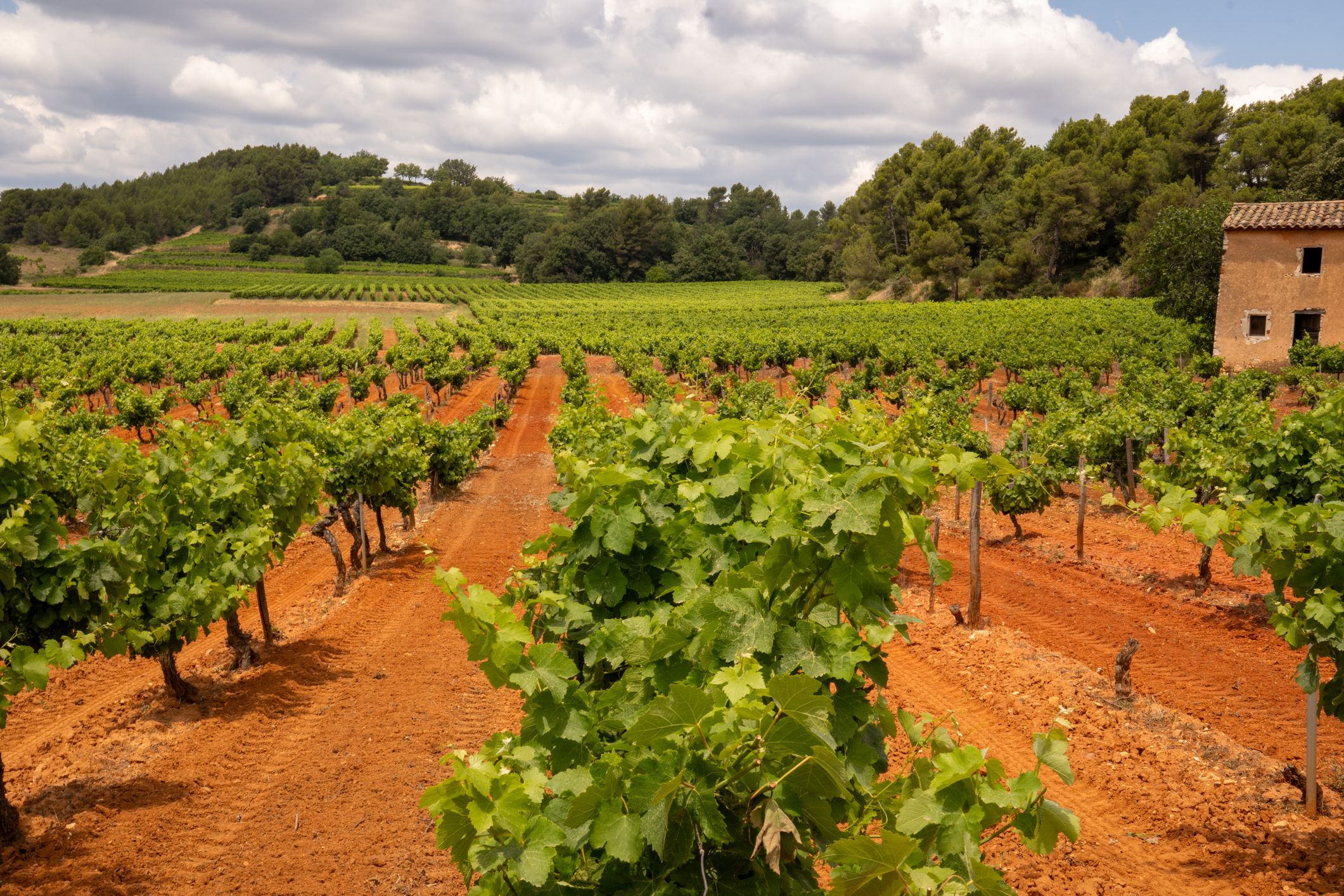
Most real estate analyses are aimed at buyers - which property to choose, how to evaluate an Energy Performance Certificate, where to invest. However, the reverse perspective, that of selling a sustainable property, deserves specific attention. Selling a passive house, an Energy Performance Certificate A apartment, or a heritage property renovated to demanding standards is not the same as selling a standard property. The targeted buyers are different, the arguments to highlight are specific, and the most effective distribution channels are not always the most obvious. Here is a complete guide to selling a sustainable property at its fair price in 2026.
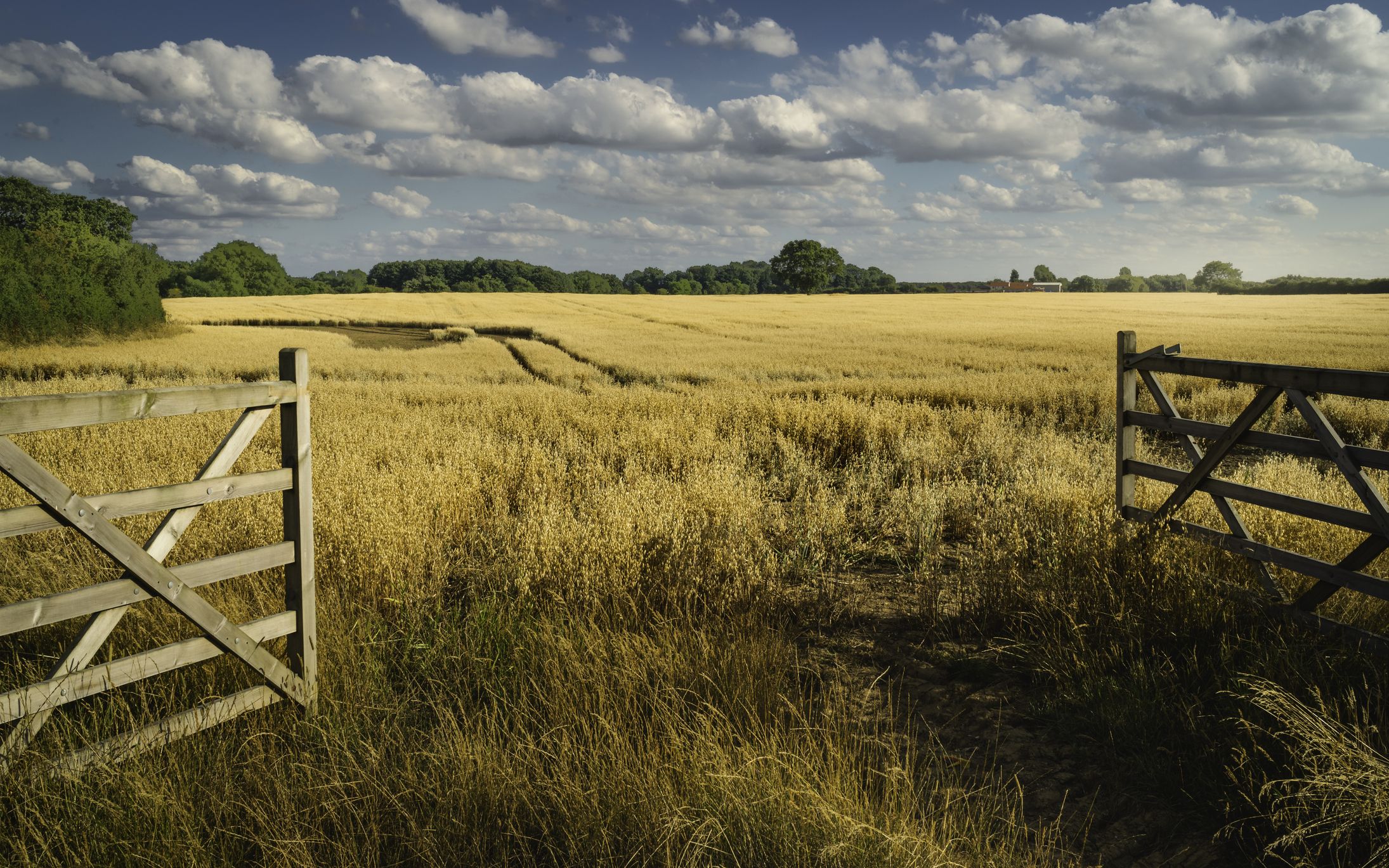
The concept of green value has become prominent in French real estate vocabulary in recent years. Initially marginal, almost confidential, it has now become a structuring factor in the market. Notarial studies now systematically measure the price difference between energetically efficient properties and equivalent, poorly performing properties. This difference is steadily increasing due to regulatory changes, rising energy costs, and buyers' awareness. Here's why green value will continue to grow in the next ten years, and what this concretely means for a real estate investment project in 2026.
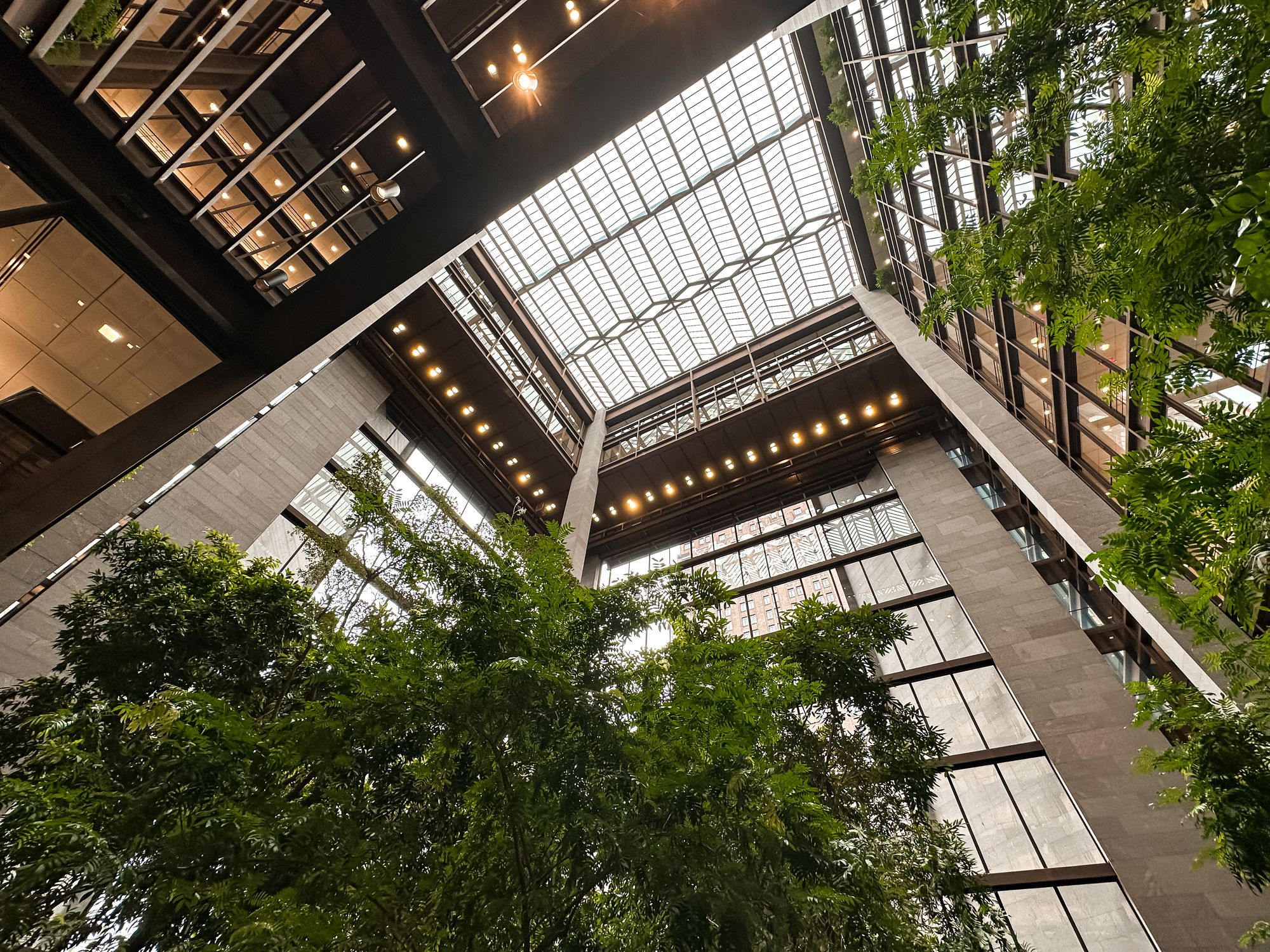
Among the tax schemes applicable to real estate investments in France, the property deficit holds a special place. Less spectacular than the Malraux Law or the Historical Monuments, it benefits, however, from accessibility and simplicity that make it the most widely used mechanism by French rental investors. For buyers focused on sustainable real estate, the property deficit takes on enhanced dimensions with the temporary doubling of the ceiling for certain energy renovation work. Here is a complete guide to understanding how it works in 2026.

The status of Non-Professional Furnished Renter (LMNP) is one of the most commonly used tax frameworks by French rental investors. Its proven operation, flexibility, and the specific advantage of accounting depreciation make it a reference in the market. Combined with a sustainable real estate strategy, the LMNP can become a particularly powerful lever for investors looking to reconcile rental yield, tax optimization, and environmental commitment. Here is a comprehensive guide to understanding its operation in 2026.
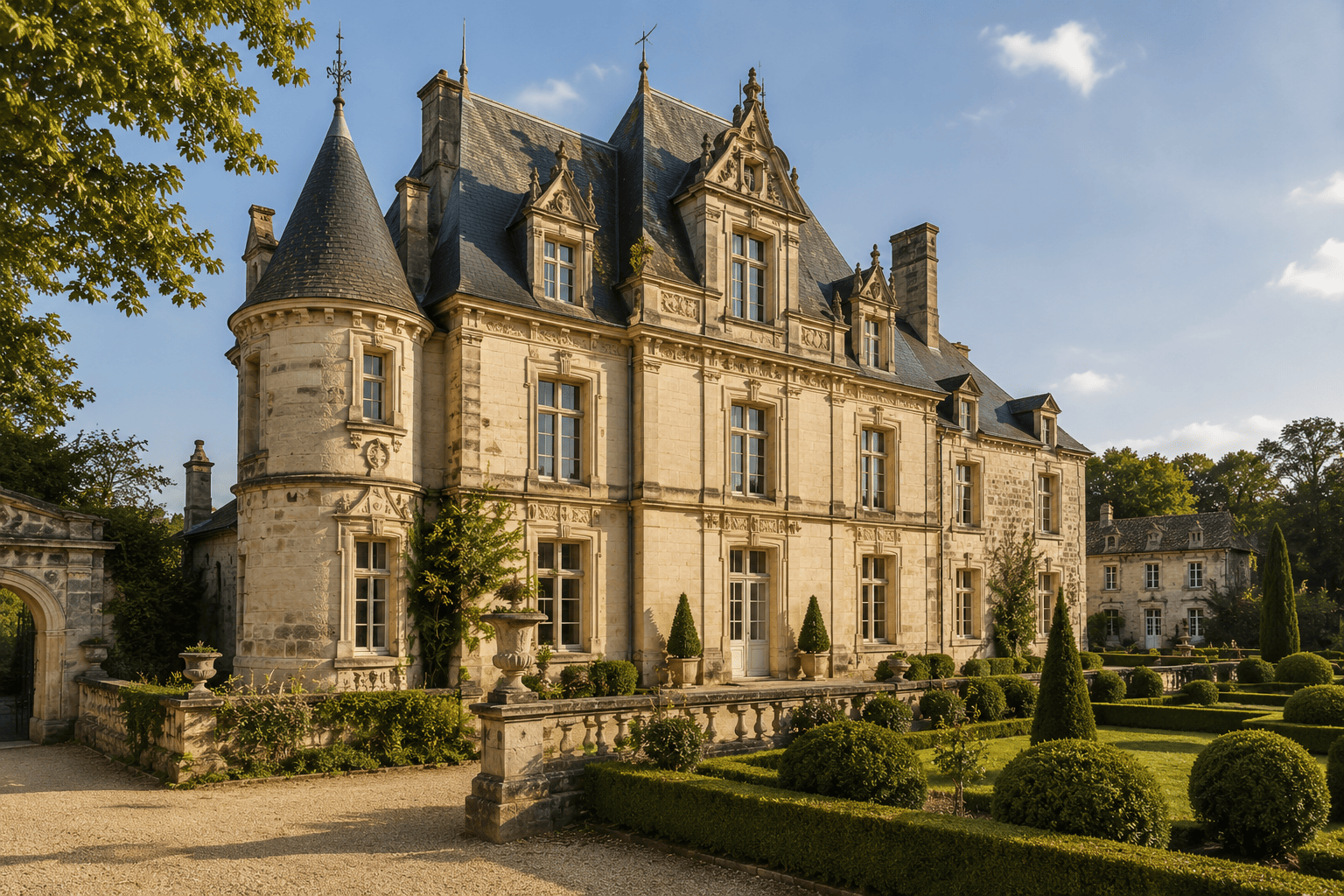
Among the tax schemes applicable to French real estate heritage, the Historical Monuments status stands out for its power and uniqueness. Originating from the law of December 31, 1913, which established the legal protection of French built heritage, it allows owners of classified or listed properties to fully deduct restoration work from their overall income, without a ceiling and without the obligation of mandatory leasing. A powerful but demanding scheme, it is aimed at a specific category of buyers and properties. Here is a complete guide to understand its operation in 2026.
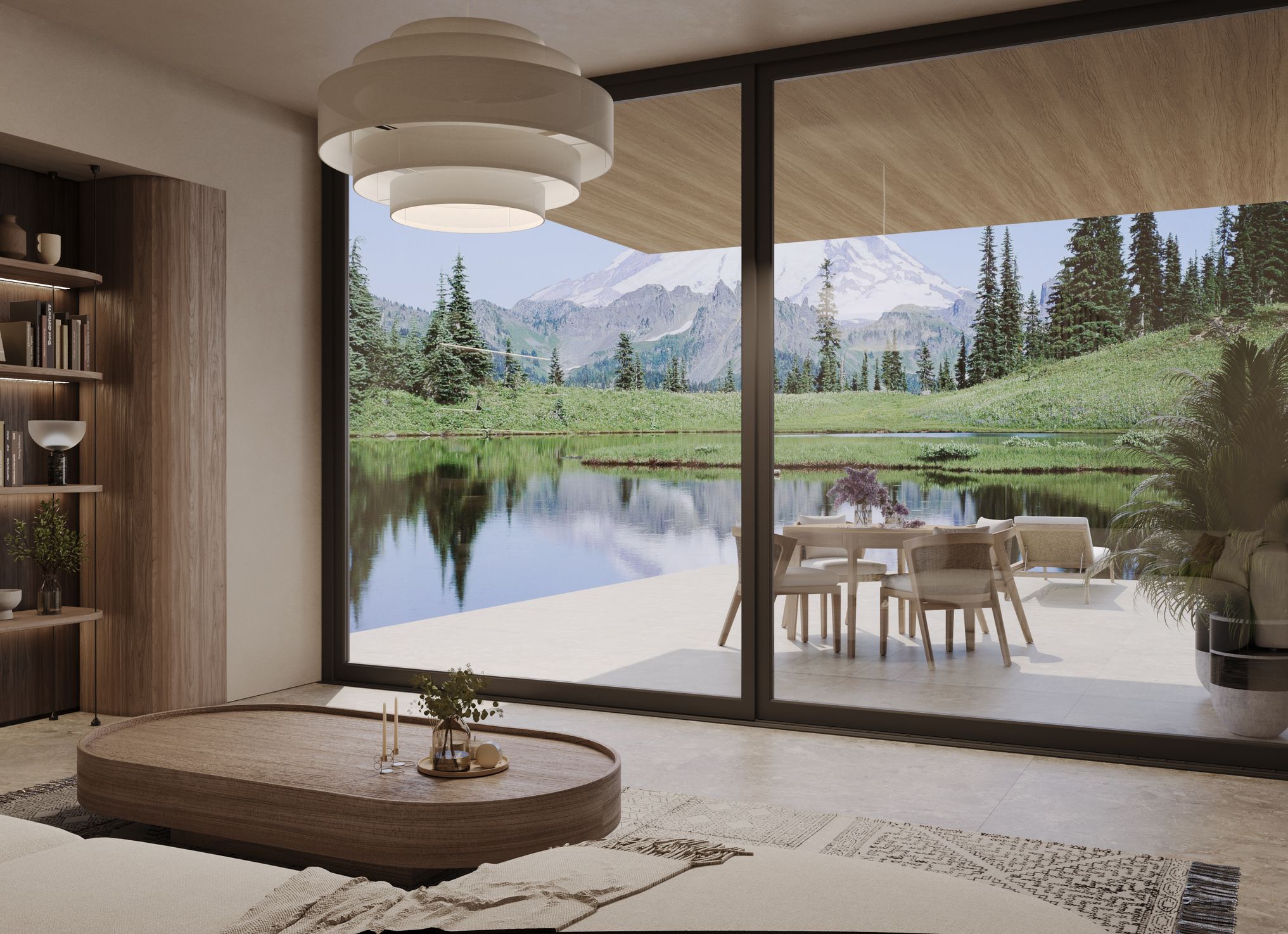
The Alps are undergoing a profound transformation. Melting glaciers, dwindling snow cover at intermediate altitudes, and stricter energy standards are pushing the alpine real estate market to rethink its model. The poorly insulated traditional chalets, a legacy of the large construction waves of the 1960s to 1980s, must now evolve. A new generation of newly built or renovated properties is emerging, reconciling the mountain chalet imagery with contemporary sustainability requirements. Here is a 2026 overview of the sustainable alpine market.

Île-de-France alone represents nearly 20% of the French real estate market and most of the energy renovation projects in the country. Due to the combined effects of the Climate and Resilience Law, the transformation of urban wastelands into eco-districts, and changing buyer expectations, sustainable real estate in this region is experiencing sustained growth. Here is a 2026 panorama of the market in the Paris region, the ongoing dynamics, and the properties to favor.
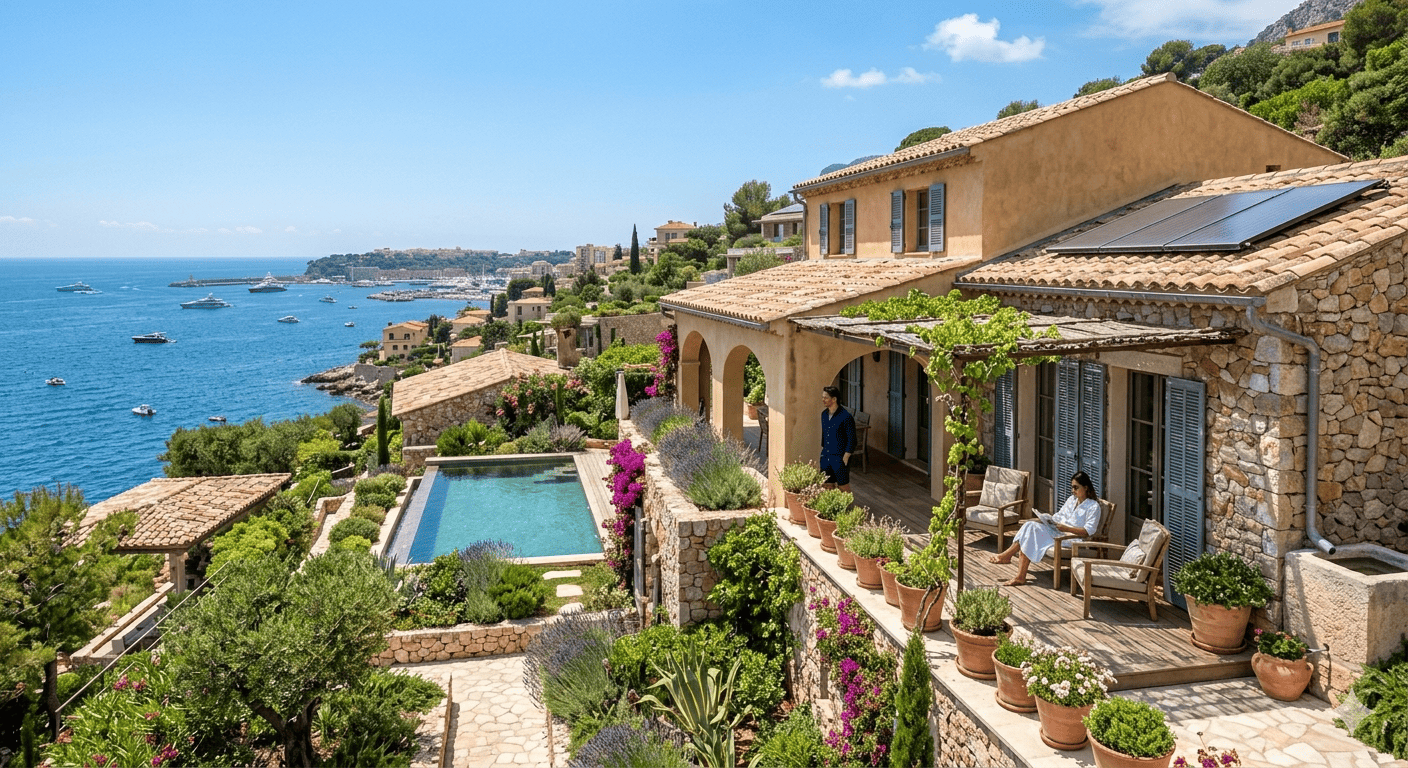
Long associated with pure luxury and a certain real estate prestige, the French Riviera is undergoing a discreet yet profound transformation. Driven by new climate requirements, regulatory changes, and a clientele more attentive to environmental issues, the French Riviera now integrates sustainability as a key factor. An overview of a market in transition.
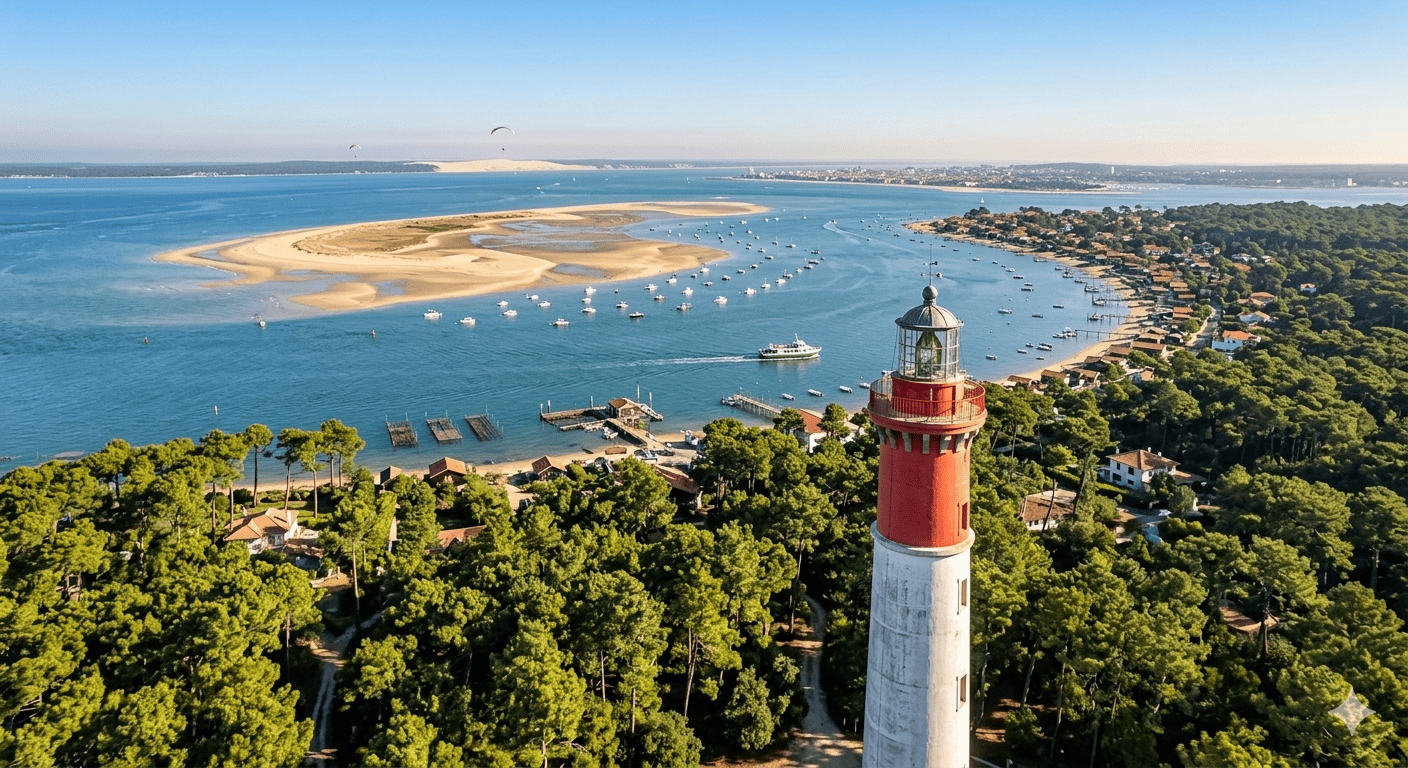
Forty square kilometers of inland water, seventy-seven kilometers of coastline, exceptional biodiversity, and unabated real estate pressure. The Bassin d'Arcachon is one of the French territories where the tension between residential attractiveness and environmental preservation is most strongly felt. This equation makes the question of sustainable real estate particularly central, at a time when the climate calendar is tightening and coastal erosion is becoming a visible reality. Here is an overview of the sustainable real estate market in Arcachon for 2026.
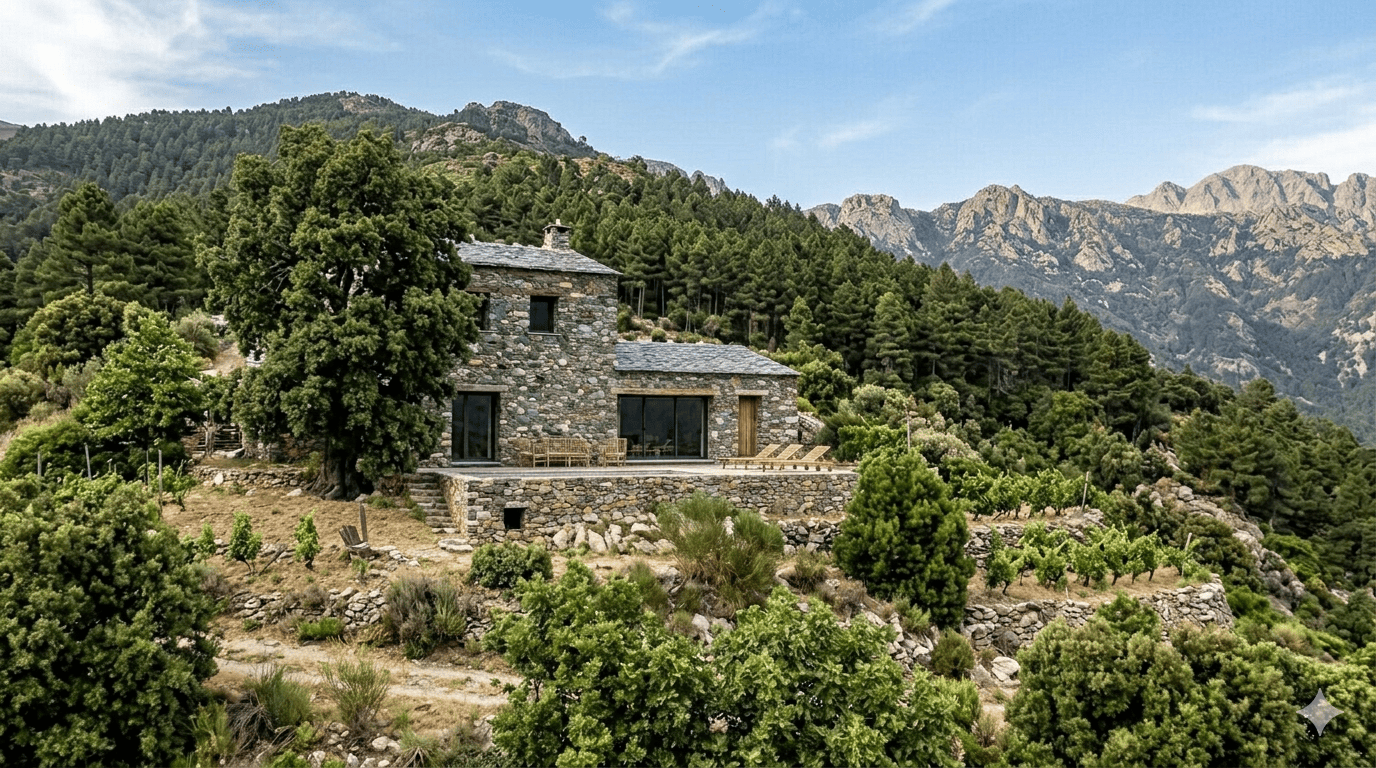
Corsica occupies a unique place in the French real estate landscape. A mountain-island with preserved natural resources, subjected to demanding Mediterranean climate and increasing tourist pressure, it has been developing a sustainable real estate market for a few years, still confidential but of remarkable quality. Vernacular stone architecture, exemplary heritage rehabilitation initiatives, necessary water and energy autonomy: the conditions are met to make Corsica an emerging reference in Mediterranean ecological real estate. Here is a 2026 overview.
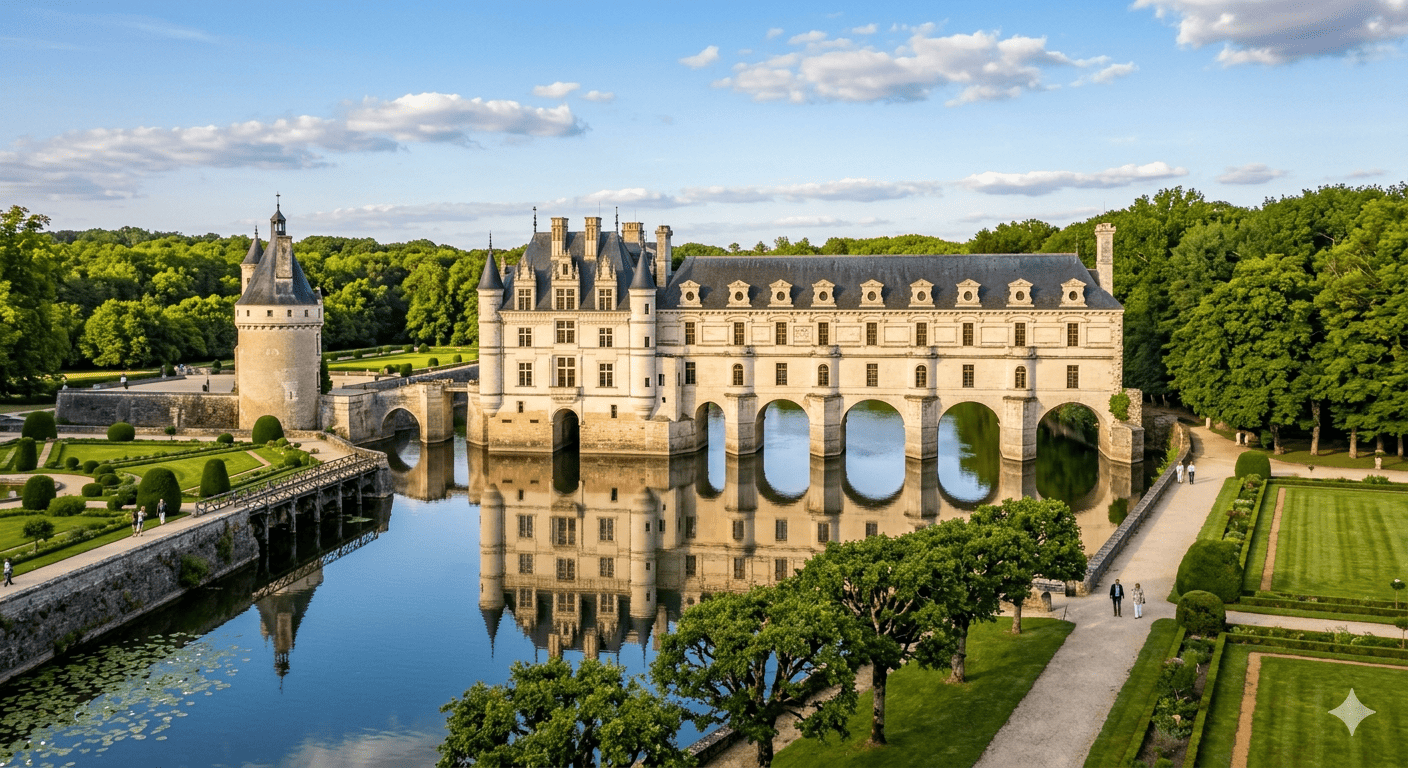
Created in 1962 at the initiative of André Malraux, then Minister of Culture, the law bearing his name is one of the most powerful tax schemes in the French real estate market. Designed to encourage the restoration of historic centers, it now targets heavily taxed taxpayers who wish to combine heritage commitment and tax optimization. Here's what you need to know about the scheme in 2026.
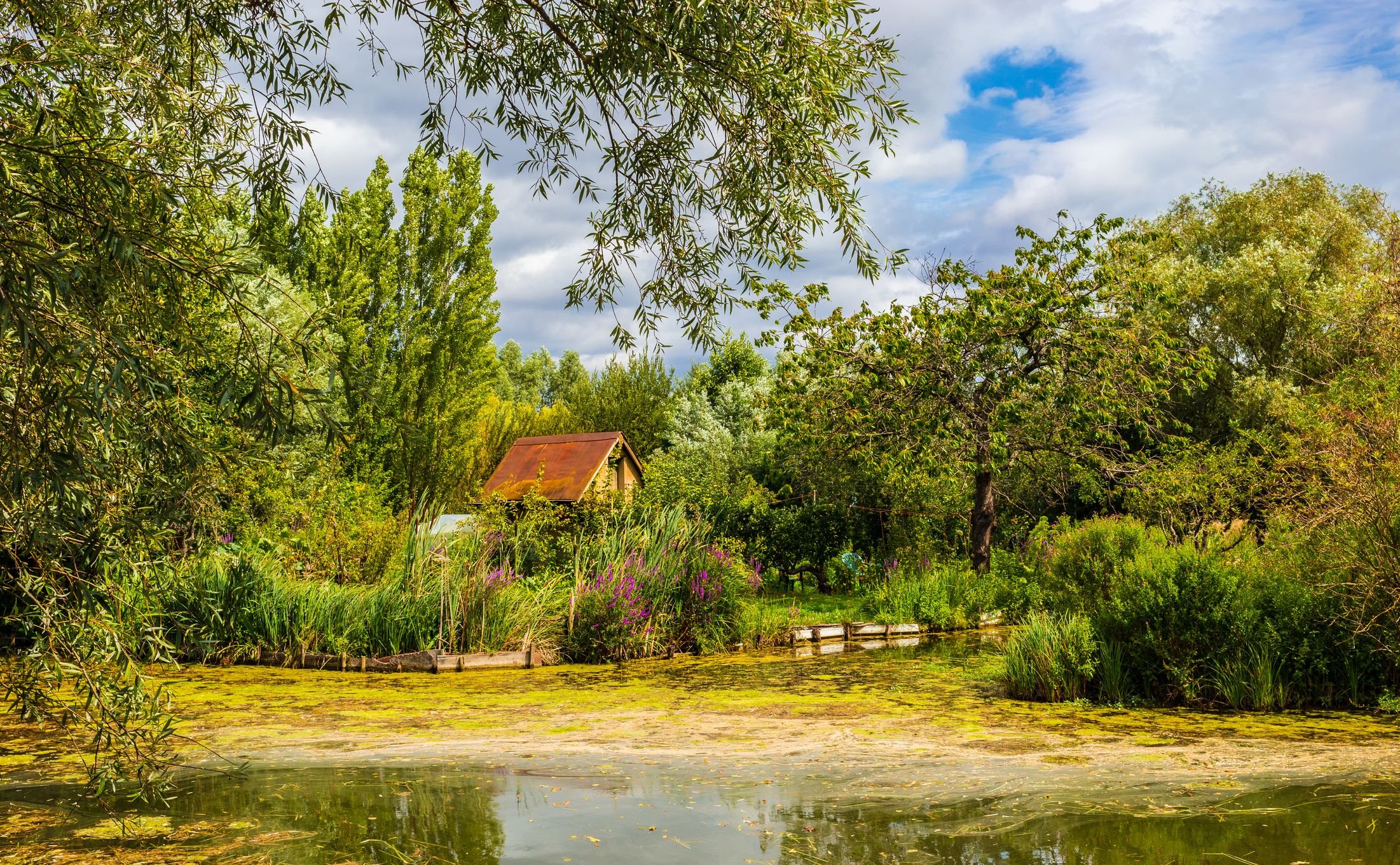
Since its reform in 2021, the Energy Performance Certificate has evolved from an indicative document to a real compass for the French real estate market. By 2026, owning a property classified as A or B is no longer just an ecological argument: it has become a determining asset in terms of heritage. This guide provides an overview of this paradigm shift and what it means for buyers.

The Parisian real estate market is made up of over 80% of buildings constructed before 1948. Haussmann-style, suburban, Art Deco, or from the 1930s - each building has its own character, but also its limitations in terms of energy performance. With the combined impact of the Climate and Resilience Law, rising energy costs, and the value placed on the Energy Performance Certificate (DPE), sustainable renovation has become a major issue for Parisian property owners. Here's what you need to know before getting started.
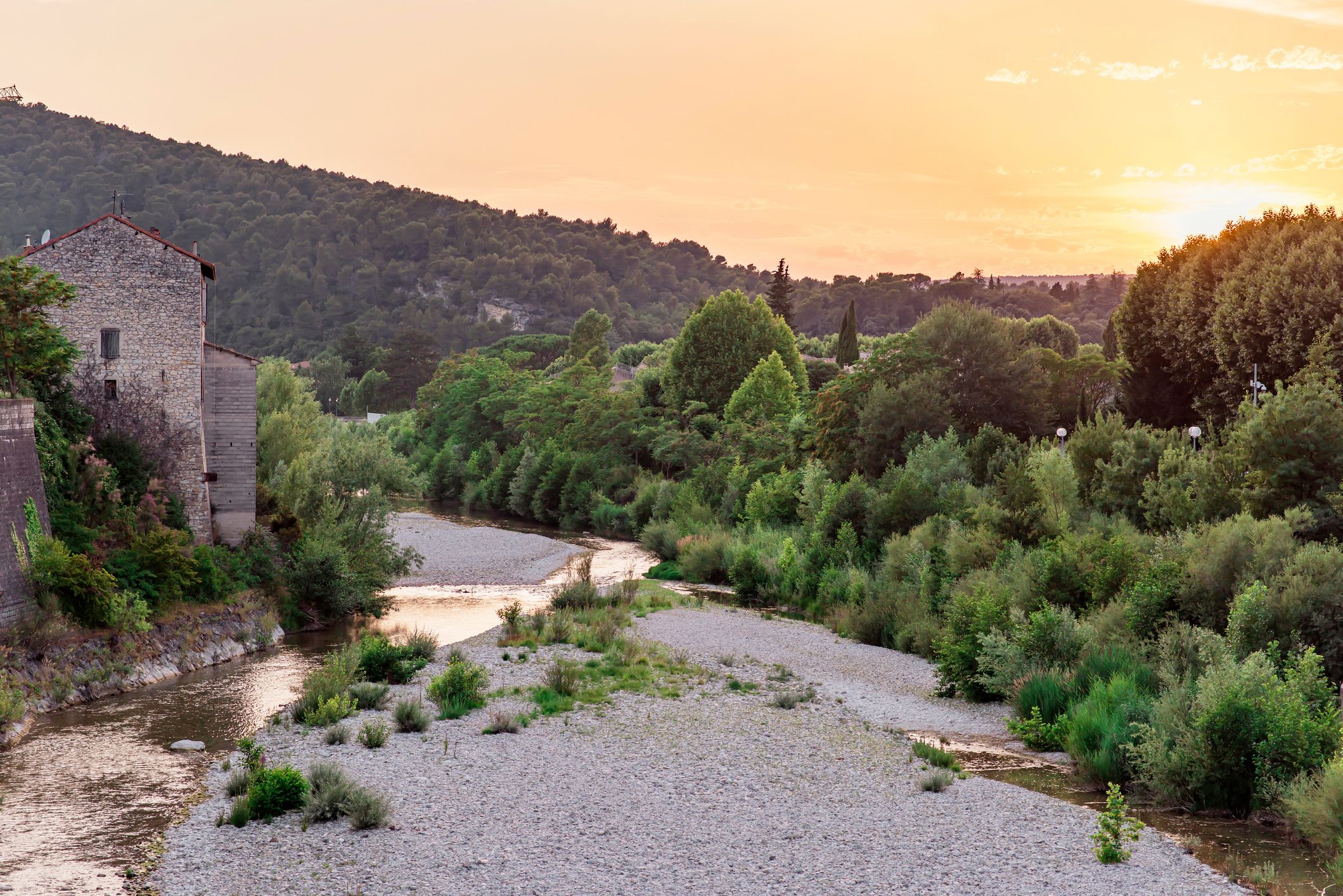
Provence offers a naturally conducive environment for sustainable real estate. Its climate, local materials, Mediterranean architectural tradition, and exceptional built heritage make up an ecosystem where sustainability is not a recent import but an ancient logic, simply brought up to date. Here is a 2026 overview of the Provençal market.

Why Jeanbrun Scheme replaces Pinel
The end of the Pinel scheme on December 31, 2024, created a real break for new real estate. To relaunch rental investment and develop the rental real estate market sustainably while respecting the environment, the government introduces the Jeanbrun scheme, or private lessor status, through the 2026 finance law.
With eligible properties in both new and old buildings, and no geographical restrictions, unlike its predecessor, the Jeanbrun scheme does not offer one-time tax exemption but a clear and sustainable mechanism: tax depreciation of real estate properties. While providing housing for tenants, investors can deduct up to 80% of the property value from their taxable rents, spread over 9 years.
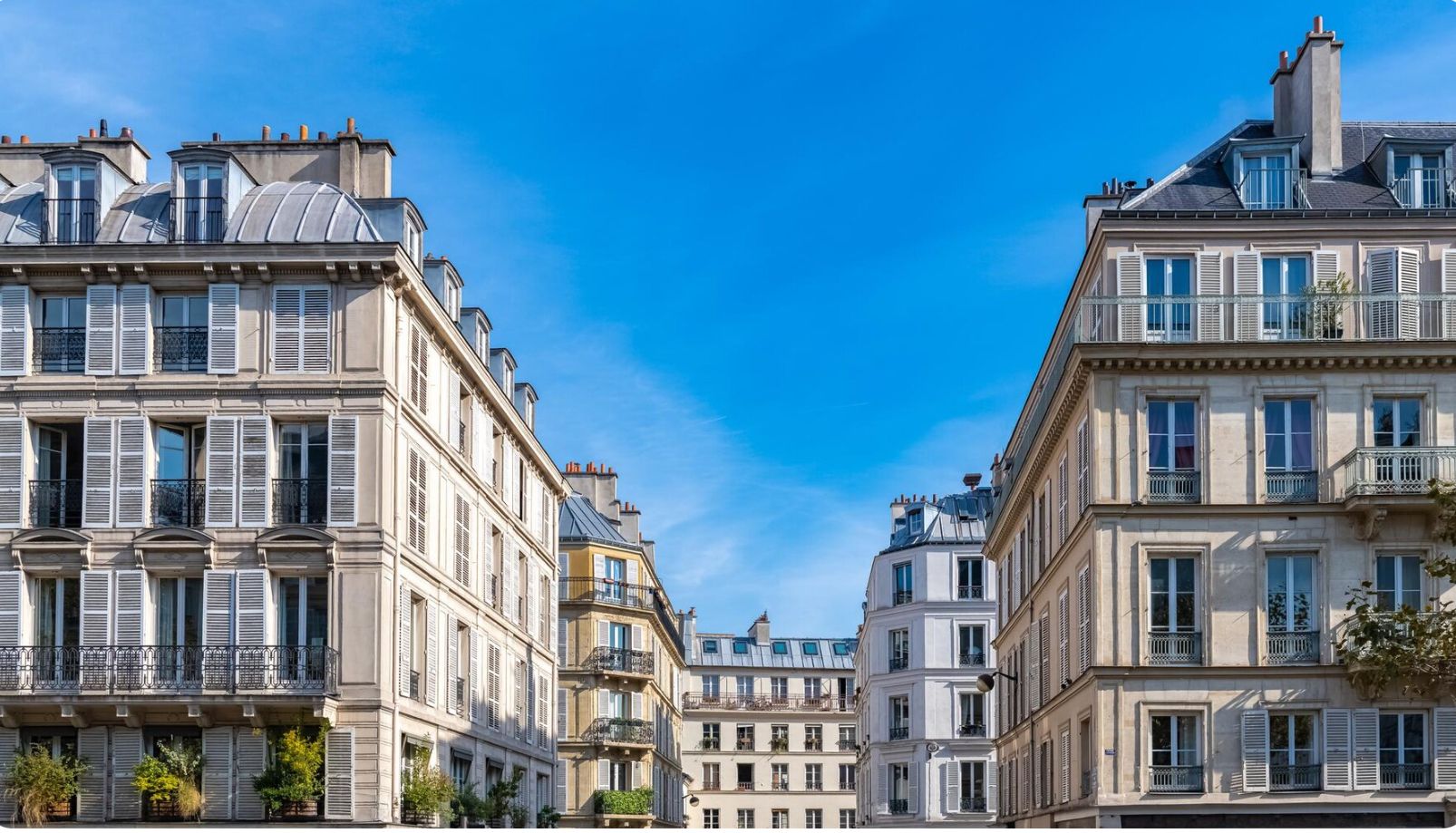
Adopted on August 21, 2021, the Climate and Resilience Law revolves around five pillars covering food, consumption, and housing. Four years after its enactment, it now deeply structures the management of French condominiums. Mandatory multi-year work plan, work fund, progressive ban on renting energy-draining properties: an overview of what condominium owners need to know in 2026.
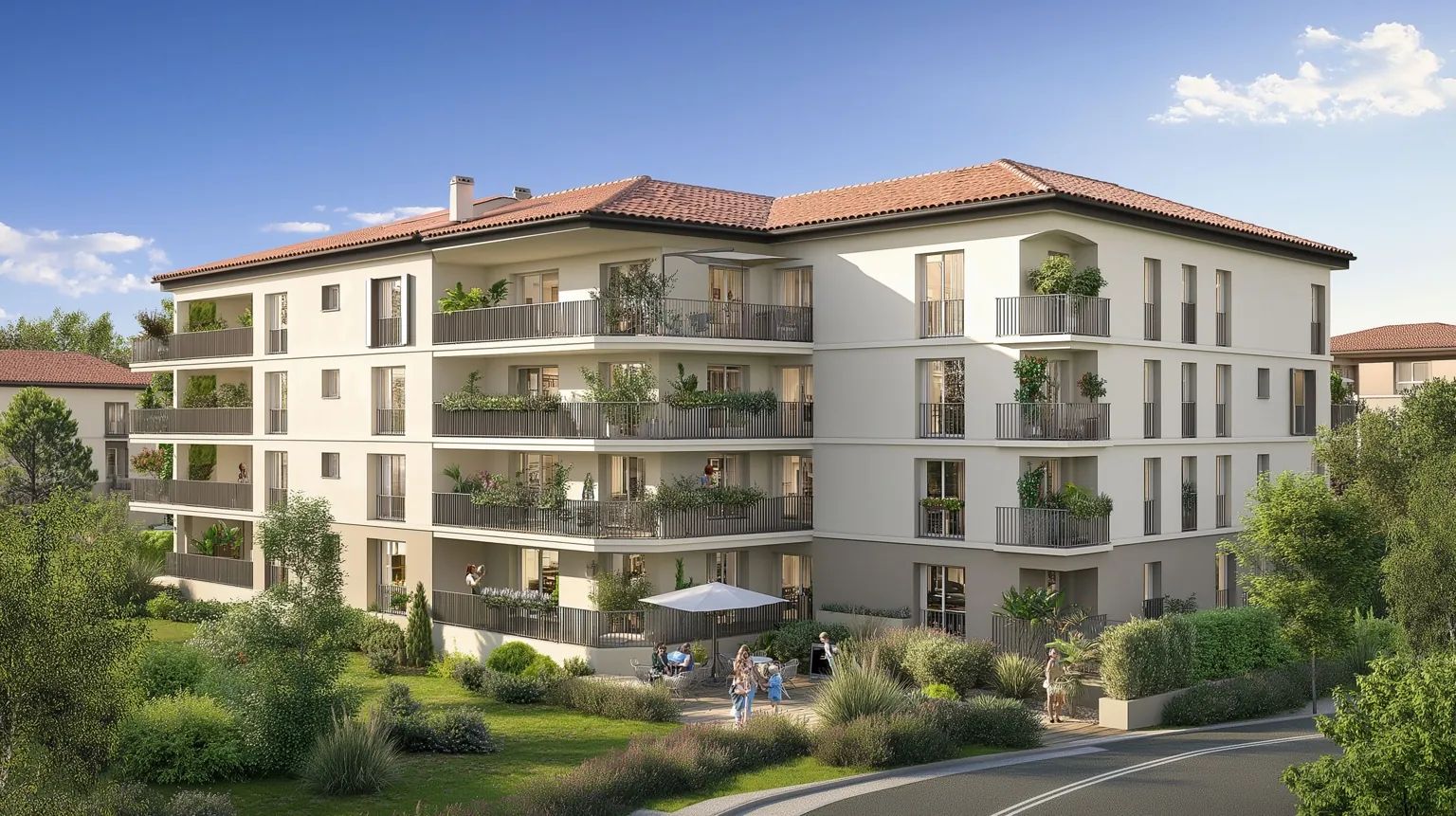
Since the end of 2023, the real estate market has experienced a significant slowdown. The combination of higher interest rates, stricter credit conditions, and a tense economic climate has slowed down acquisitions. For you, this is the perfect opportunity.
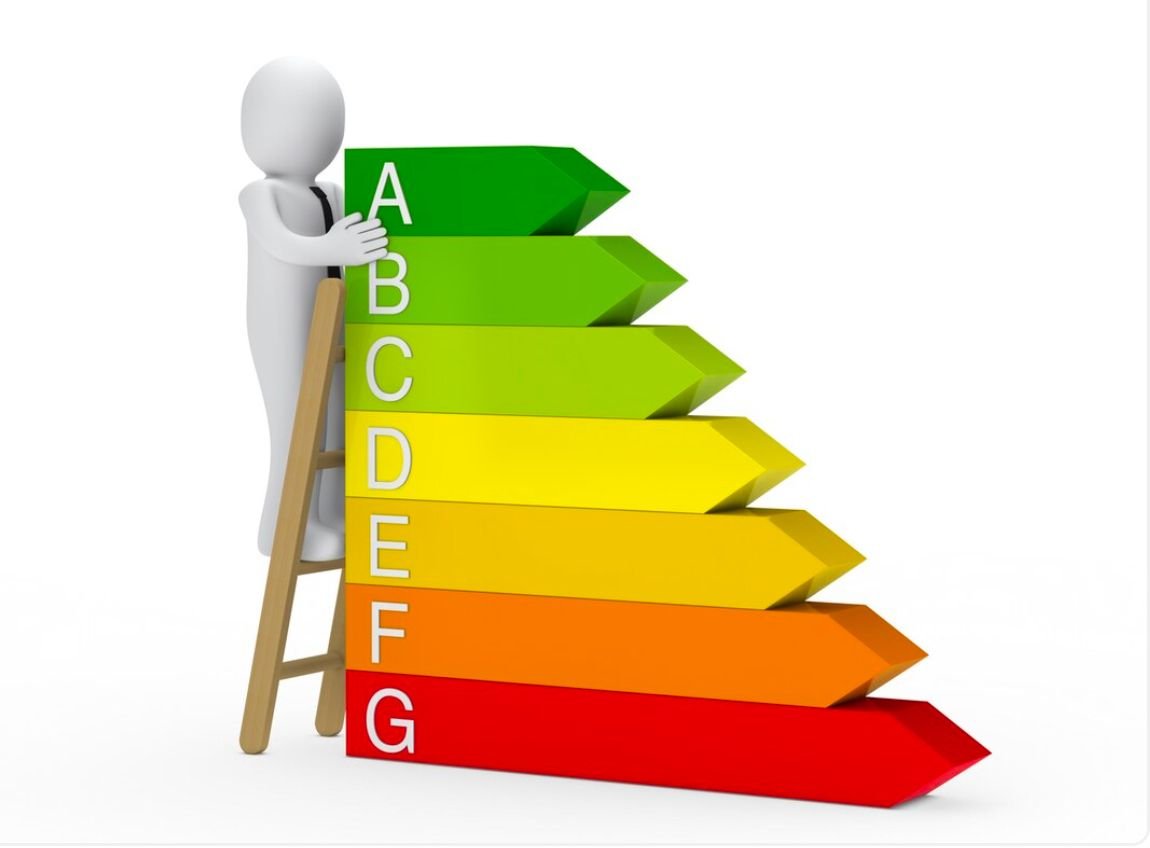
Because every new year brings its share of brand new decrees, it is necessary to follow and adapt. Whether you are a professional or an individual.
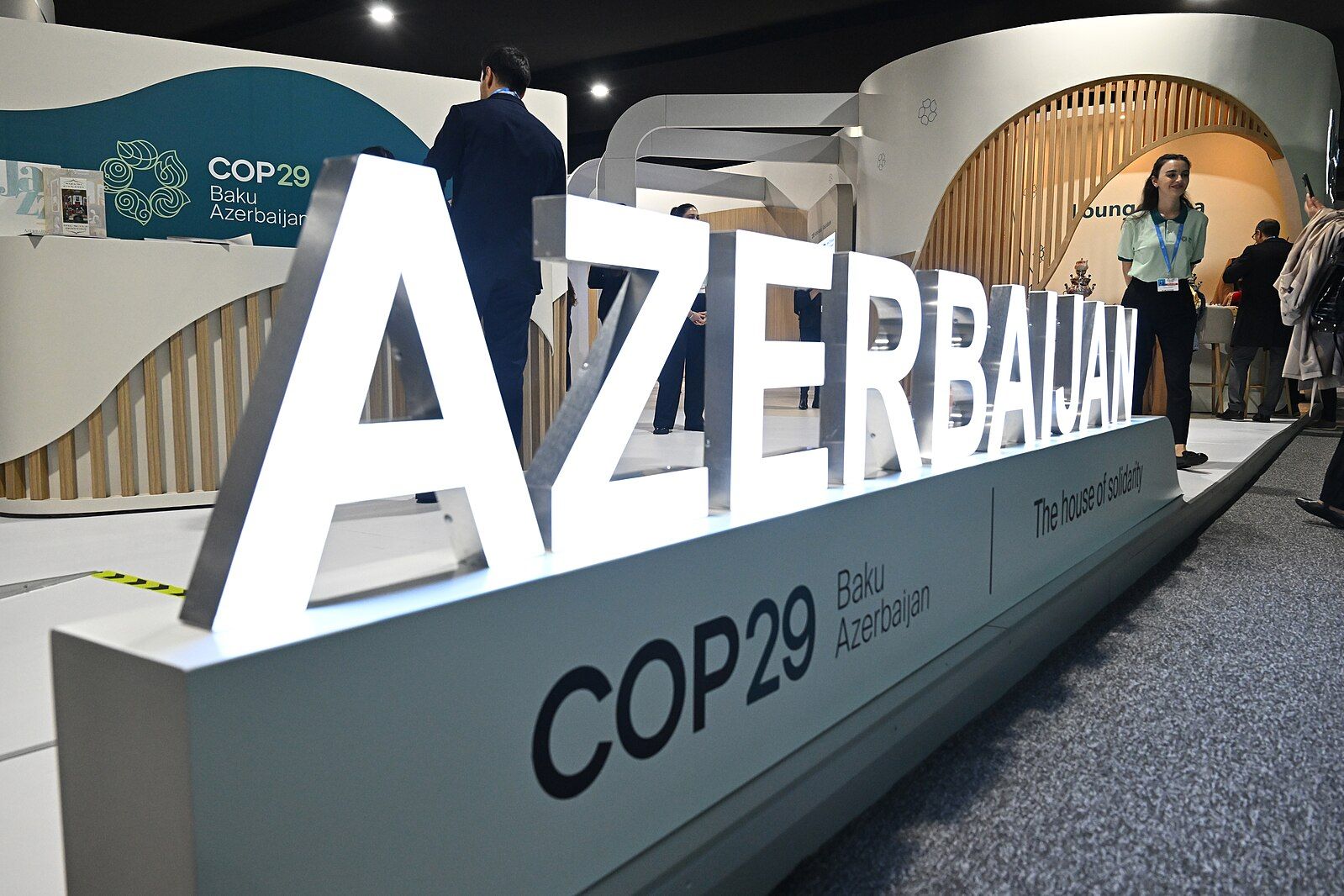
2025 is shaping up to be a pivotal year, even a decisive one, in terms of greenhouse gas (GHG) emissions.