
Understanding Heritage Real Estate in 3 Minutes
At Sustainable Real Estate, sustainability is not only about eco-friendly construction, ecological materials, or energy performance. It also begins with a simple fact: the most responsible building is often one that already exists.
It is in this spirit that the Heritage selection was born. It highlights heritage properties that have stood the test of time and, thanks to careful rehabilitation, can now meet contemporary requirements for comfort, use, and climate adaptation.
A Heritage property can be an old residence, a listed building, a farmstead, a former factory, an industrial building, a castle, a vineyard, an equestrian property, or even an apartment located in a remarkable place. These properties carry history, meticulously restored while respecting their original character and integrating solutions that meet new sustainable real estate standards.
Preserving rather than demolishing, rehabilitating rather than rebuilding, transmitting rather than consuming: the Heritage approach allows the reconciliation of expertise, sometimes with the requirements of French Heritage Sites, and modern comfort, while limiting the environmental impact.
What a Heritage property costs... and what it brings!
There are several advantageous schemes to assist you in this project (click for more information):
- The Jeanbrun scheme, also applicable to existing properties
- The building deficit for apartments in renovated old buildings
And of course, the Monuments Historiques Law, with 100% deduction of the work
These properties are not just living spaces. They tell a story, embody a territory, an architectural memory. Whether they are in the heart of a village, in an inspiring countryside, or in a bustling metropolis, they offer a more sustainable, rooted, and emotional way of living.
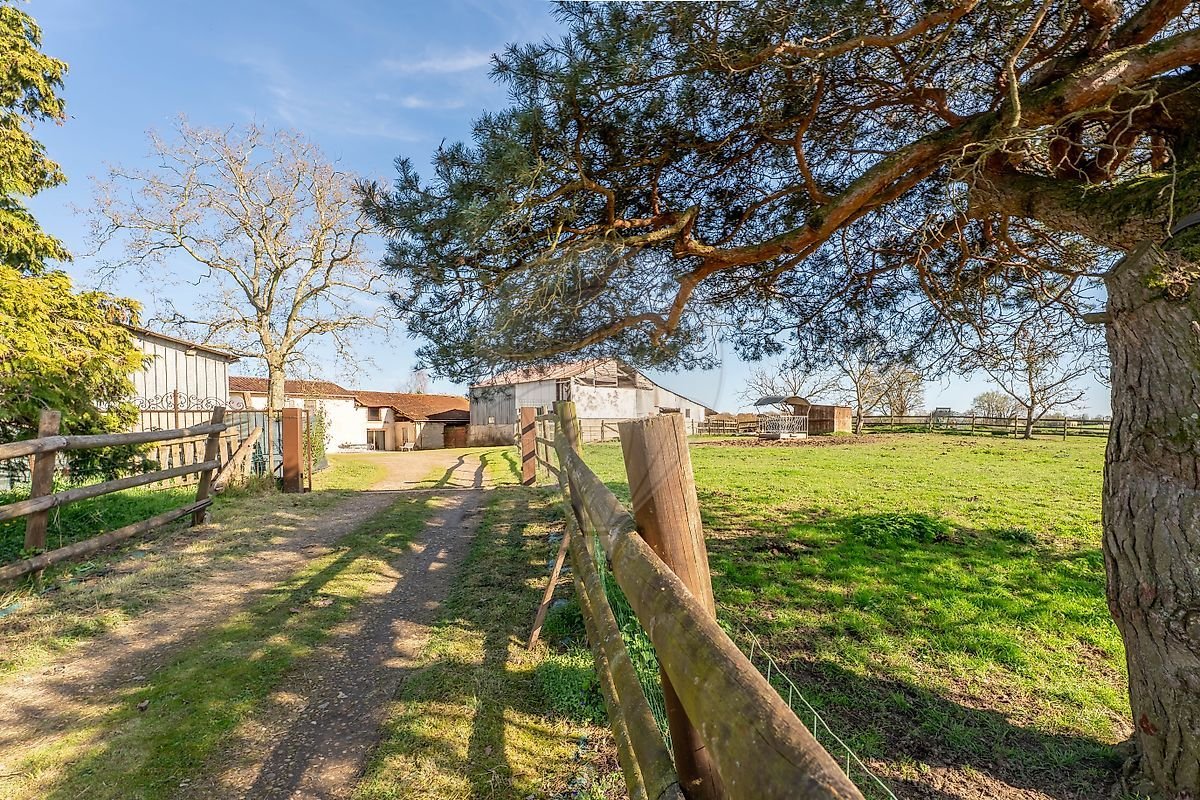
This vision of living heritage is fully reflected in some meticulously rehabilitated rural properties, such as this former farm located in Neuville-les-Dames (01400). Completely renovated with a simple and eco-responsible spirit, it combines the charm of the old with a more sustainable comfort: bright volumes, natural materials, heat pump heating, reasoned water management through a well, large preserved spaces, and equestrian environment. Situated on over three hectares, this property perfectly illustrates how a place rich in history can evolve with its time without losing its soul.
Choosing a Heritage property is choosing a living heritage. A heritage to preserve, to inhabit, to evolve— and above all, to pass on to future generations.